50 Real-Life Internet of Things Examples Transforming Industries in 2026
50 Real-Life Internet of Things Examples Transforming Industries in 2026
50 Real-Life Internet of Things Examples Transforming Industries in 2026
Recently Updated on
February 3, 2026
Index
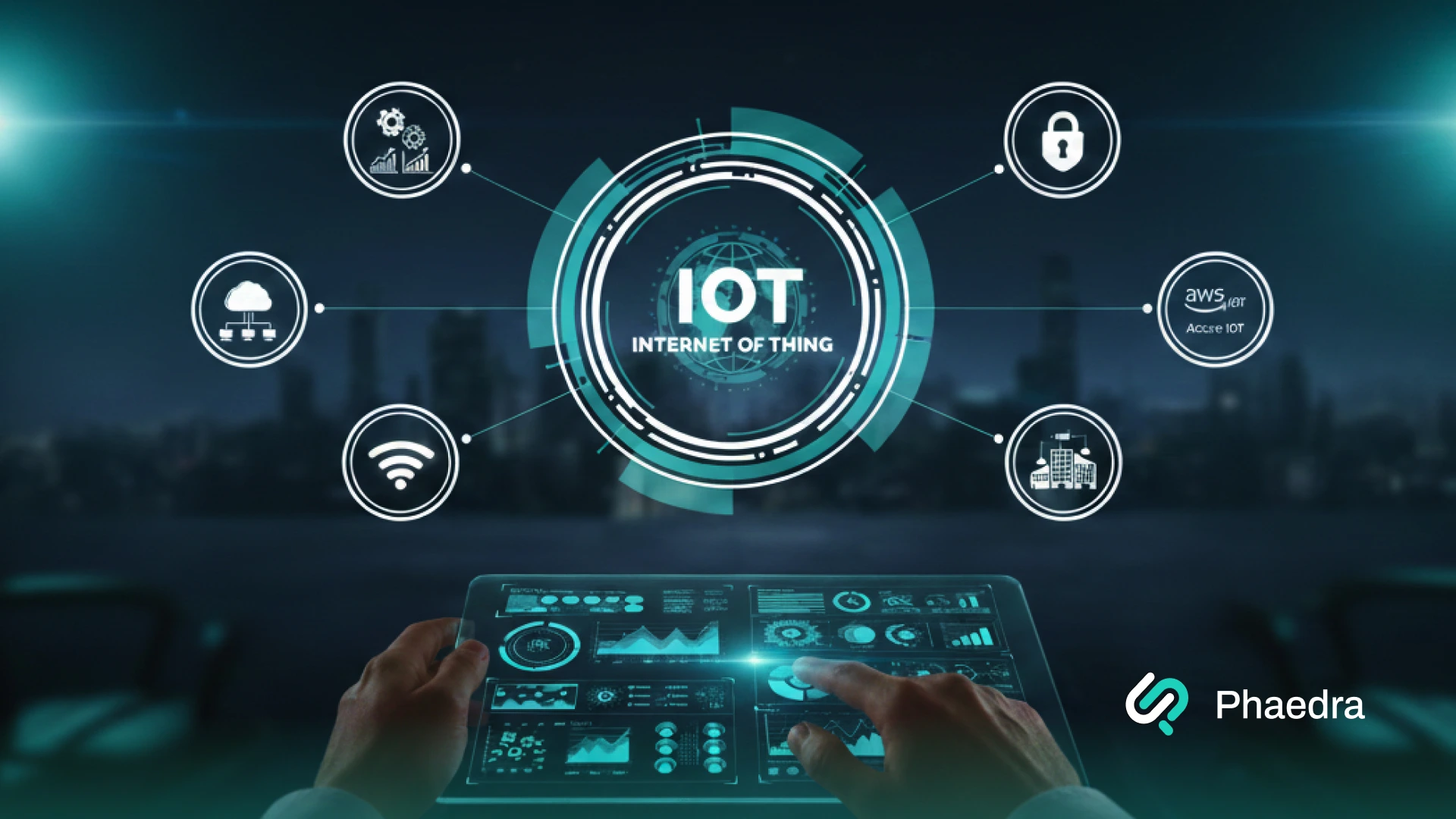
The Internet of Things (IoT) is the technology that connects everyday devices, from machines and vehicles to sensors and appliances, so they can collect and share data in real time.
Simply put, IoT lets devices communicate and make decisions that improve how we live and work.
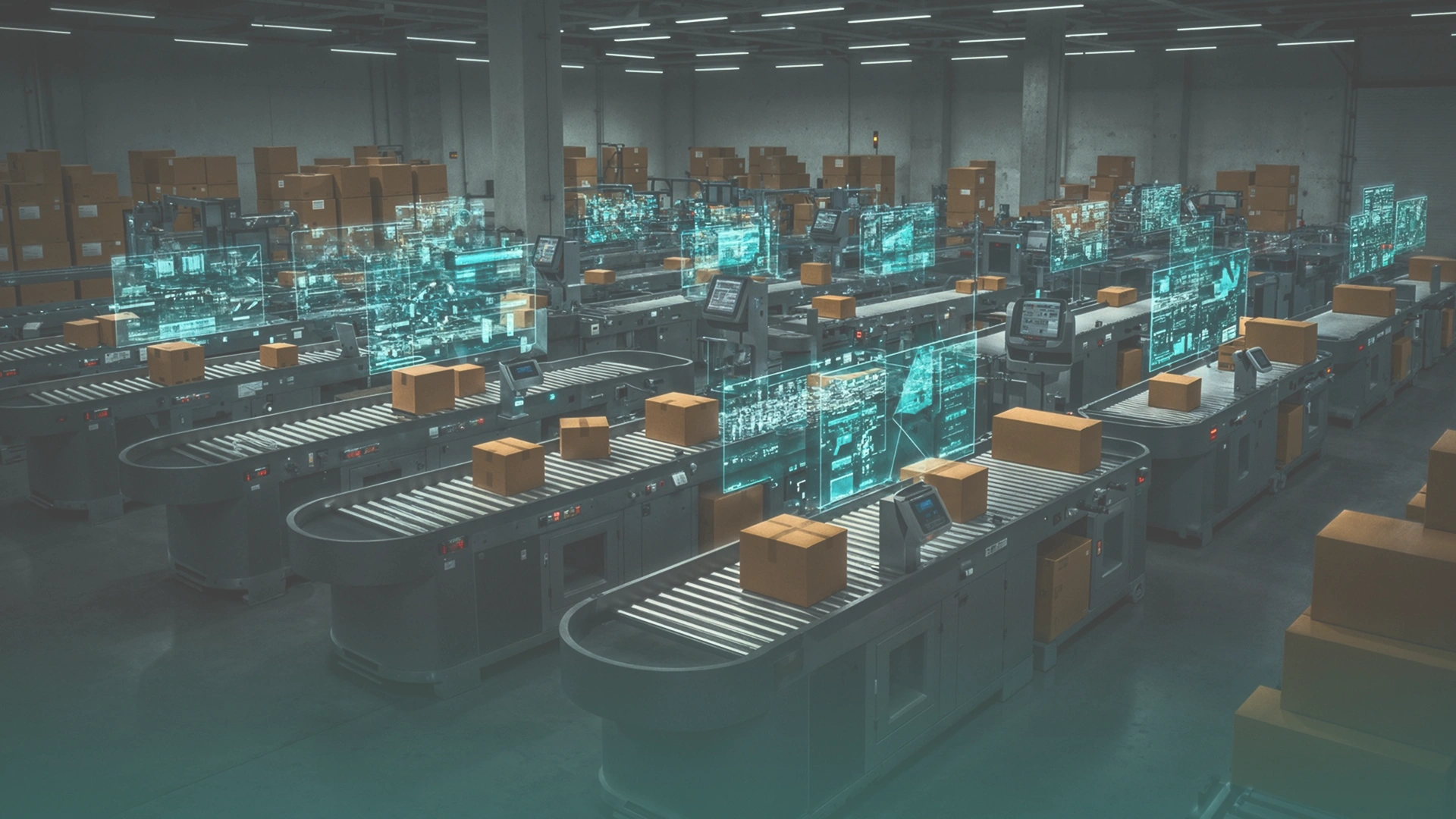
Across manufacturing, healthcare, retail, and smart cities, Internet of Things examples show how connected systems are streamlining operations, reducing costs, and creating safer, smarter environments.
From predictive maintenance in factories to remote patient monitoring and energy-efficient buildings, IoT is shaping the future of every major industry.
IoT connects devices to drive smarter, faster decisions.
Every major industry benefits from IoT efficiency and automation.
Smart homes and cities make daily life more convenient.
Strong cybersecurity is vital for safe IoT adoption.
AI and 5G will shape the next IoT revolution.
Overview of 50 Real-Life Internet of Things Examples
IoT examples are grouped into major categories, from smart manufacturing and connected healthcare to smart cities, energy, agriculture, and consumer technology.
Each category highlights how IoT is solving everyday challenges: improving efficiency, automating processes, and creating safer, more sustainable systems.
You’ll see practical use cases, not just devices, that show how IoT is transforming the way we work, live, and interact with technology.
Let’s look at real-life internet of things examples in the following categories:
We’ll look at how IoT is driving innovation in:
Connected Cars
Smart Appliances
Connected Security Systems
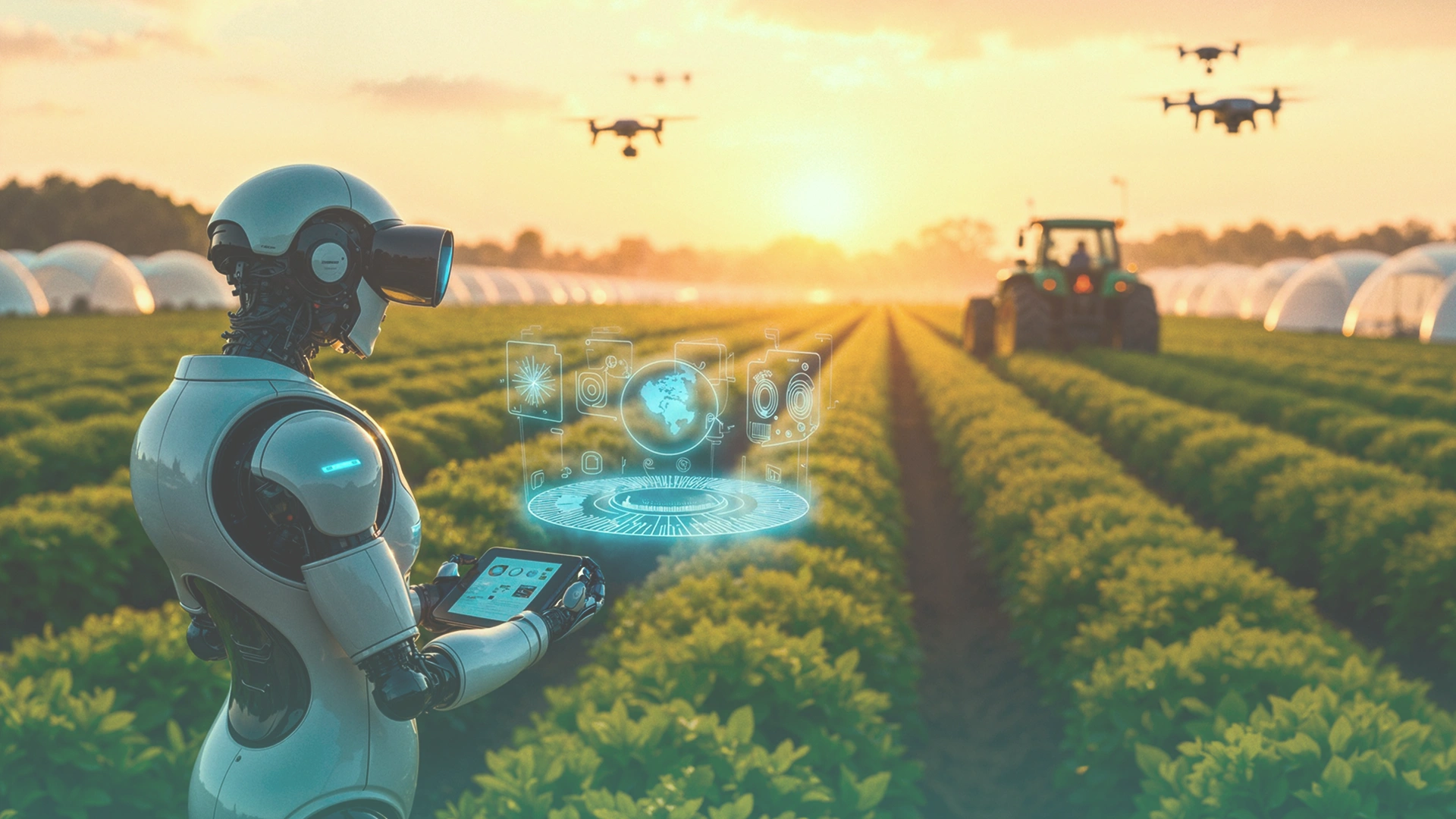
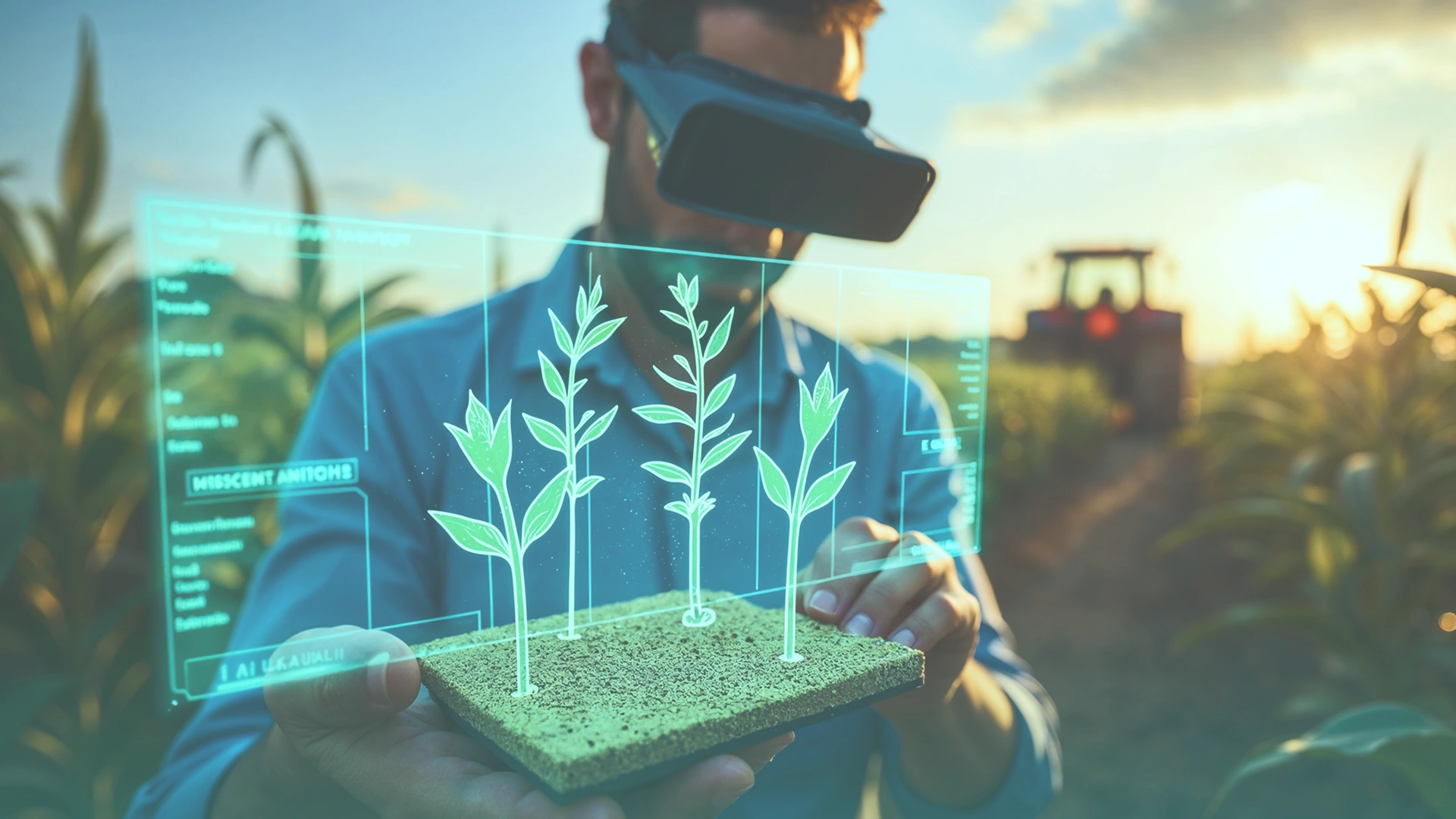
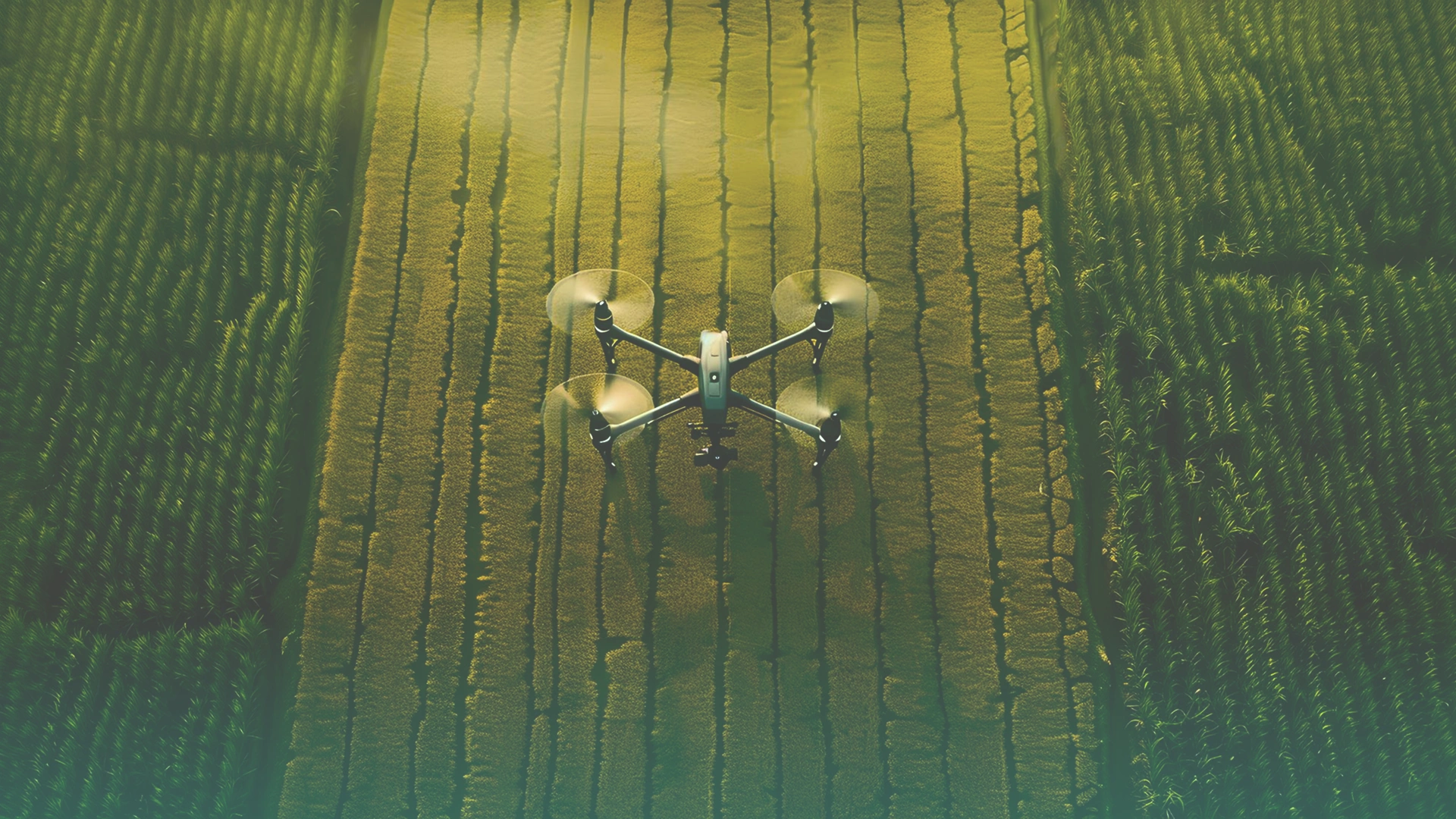
Smart Agriculture
Connected Retail
Connected Healthcare/IoMT
Smart Cities & Infrastructure
Smart Energy & Utilities
Security & Education
Sustainability & Environmental IoT
Connected Cars
#
Brand / Platform
IoT Use Case
Core Functionality
Key Benefits
1
Audi connect® / MyAudi
Connected Vehicle
Remote monitoring & control
Enhanced safety, convenience, real-time updates
2
Tesla OTA Updates
Over-the-Air Software
Automatic performance & security updates
Zero downtime, improved efficiency
3
Ford Sync / FordPass
Smart Car Ecosystem
App-based control & smart home integration
Remote access, tracking, seamless connectivity
4
Otonomo Platform
IoT Data Marketplace
Fleet data collection & analytics
Smarter traffic insights, monetized data
5
Volvo Health Monitoring
Predictive Maintenance
Sensor-based vehicle diagnostics
Reduced downtime, proactive maintenance
1. Audi connect® / MyAudi
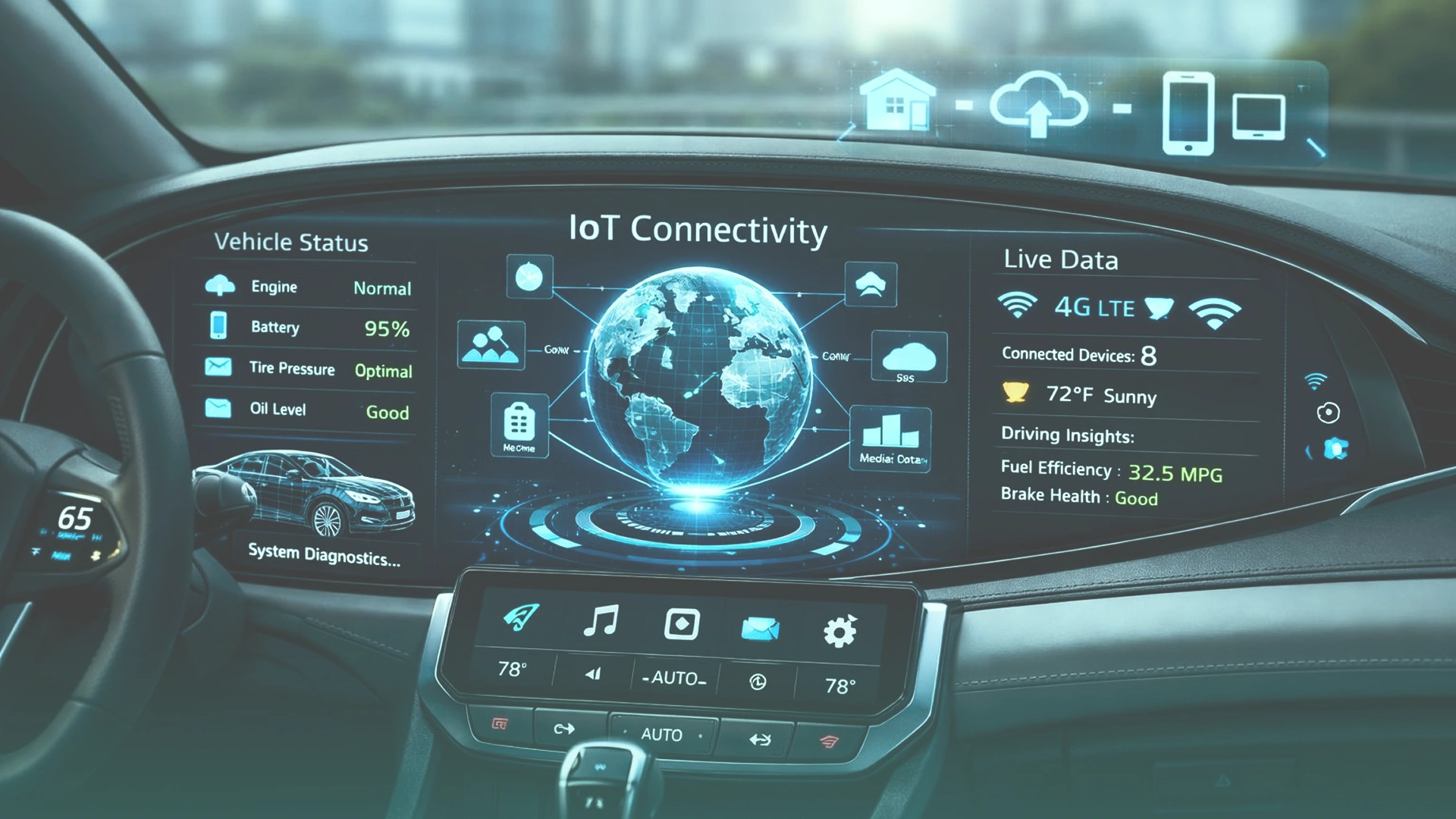
Audi’s IoT-powered platform connects cars to the cloud, allowing drivers to manage their vehicles remotely. (1)
From checking vehicle status and navigation updates to remote locking and maintenance alerts, it enhances convenience and safety through real-time data.
Sends diagnostics to service centers automatically.
Syncs with smartphone apps for a seamless driver experience.
Provides remote locking, vehicle status, and navigation routing.
2. Tesla Over-the-Air Updates
Tesla revolutionized the auto industry by using IoT for over-the-air (OTA) software updates.
Cars receive performance boosts, new features, and bug fixes directly, no service visit required. Each vehicle continuously collects data to improve safety and efficiency.
Adds new features, security patches, and performance improvements remotely.
Collects vehicle usage data to optimize software.
Eliminates many dealership visits.
3. Ford Sync / FordPass
Ford’s connected car ecosystem links mobile devices and vehicle systems through IoT.
Drivers can remotely start, lock, or locate their cars while accessing diagnostics and infotainment features. It even integrates with smart homes for full connectivity.
Connects driver’s phone to car systems: climate, media, diagnostics.
Offers remote start, lock, and vehicle tracking.
Integrates with smart home ecosystems.
4. Otonomo (Data Marketplace for Cars)
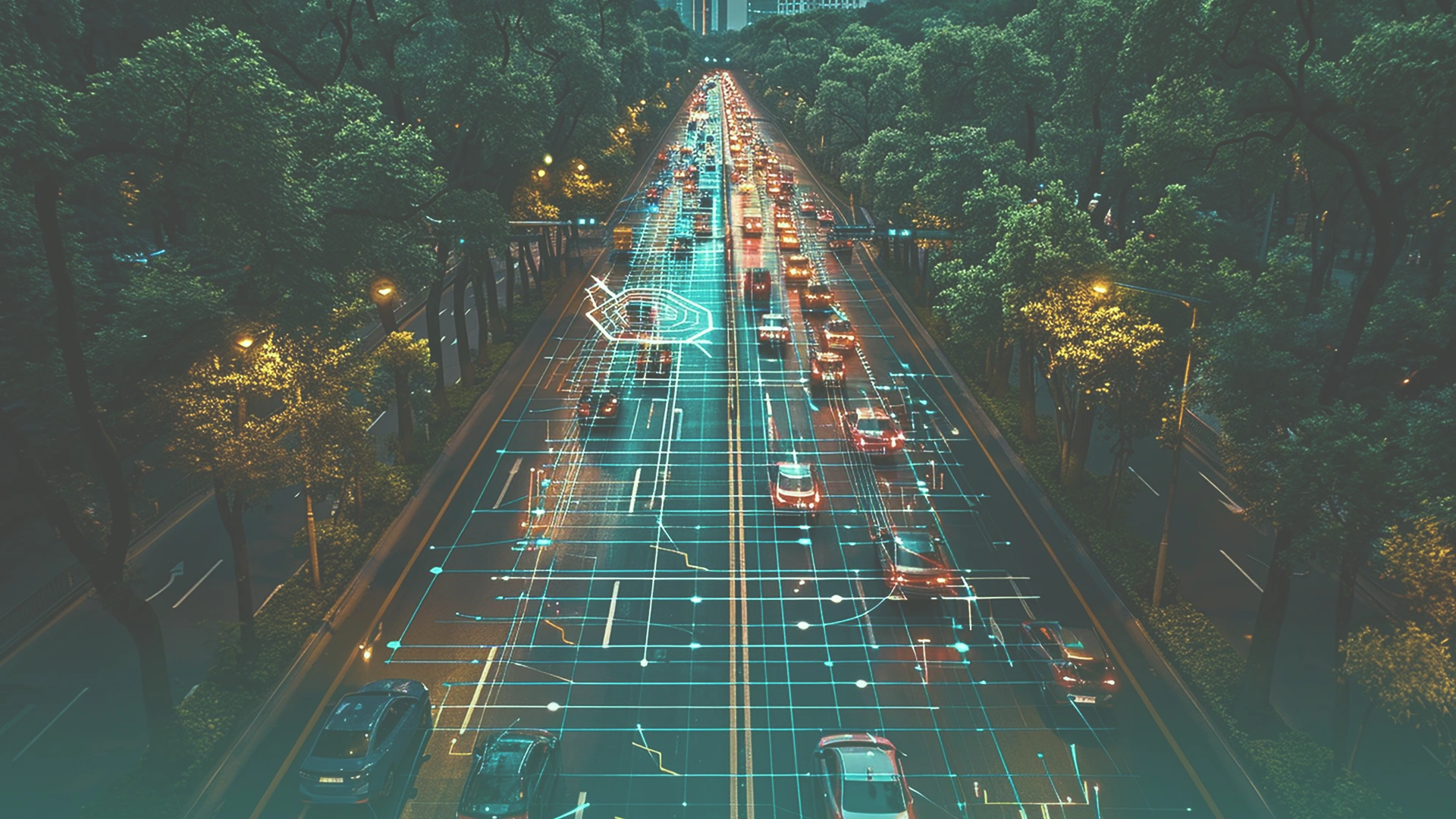
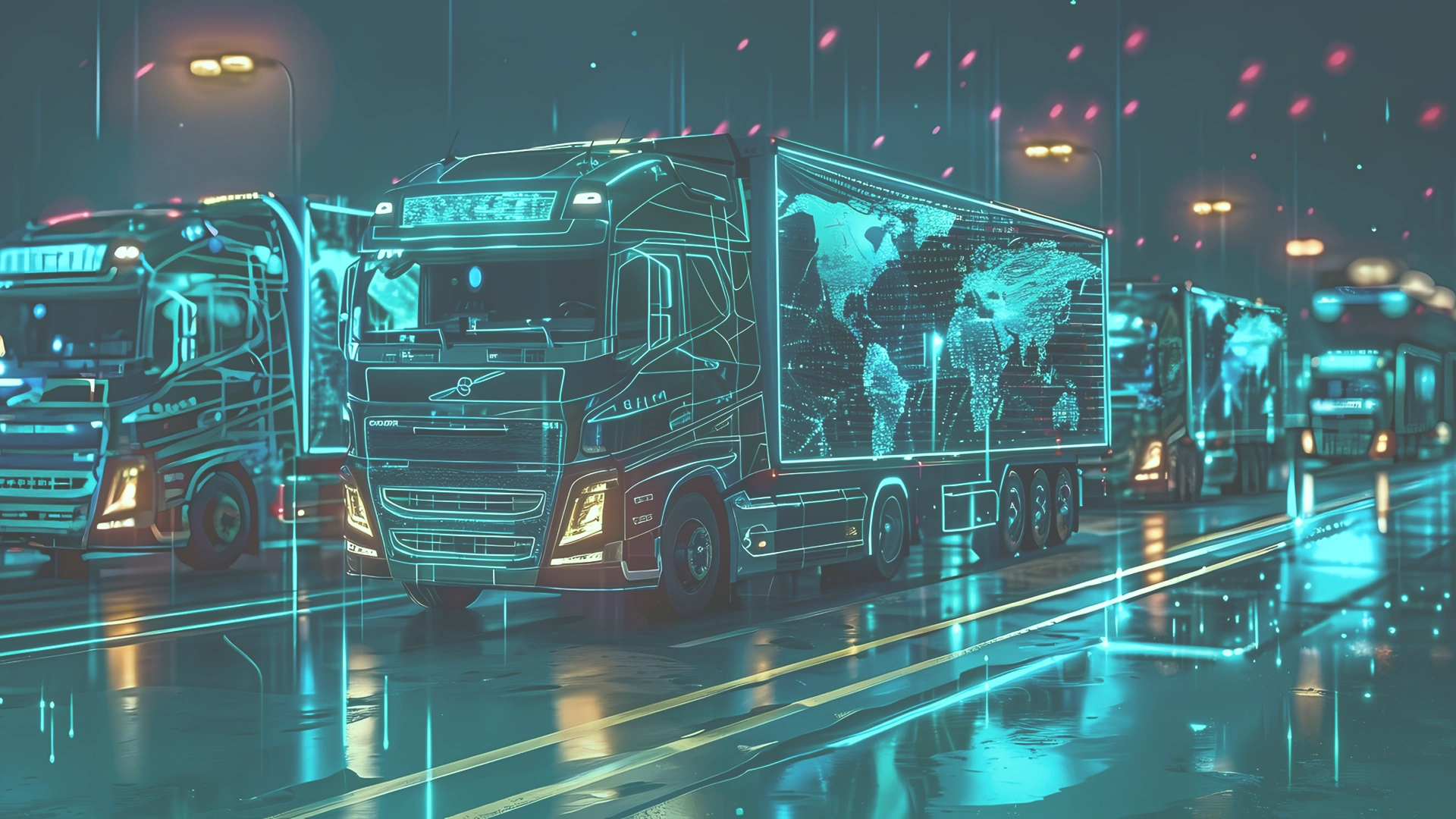
Otonomo’s IoT data platform aggregates anonymized car data from global fleets, transforming it into valuable insights. (2)
Cities, insurers, and app developers use this data for smarter traffic management, safer roads, and efficient mobility solutions.
Aggregates anonymized car sensor data from fleets.
Enables services like traffic insights and urban planning models.
Monetizes vehicle data securely.
5. Volvo Vehicle Health Monitoring
Volvo’s connected car system continuously monitors engine health, battery status, and sensor data to detect issues before they escalate.
Drivers receive real-time alerts, while service centers get detailed diagnostics for proactive maintenance.
Monitors engine, battery, and sensor status in real time.
Alerts drivers or service centers when issues appear.
Improves maintenance planning and reliability.
Smart Appliances
#
Brand / Product
IoT Use Case
Core Functionality
Key Benefits
6
Samsung Family Hub Refrigerator
Smart Kitchen Appliance
Internal cameras, meal planning, auto-ordering
Food tracking, reduced waste, convenience
7
LG ThinQ Washing Machine
Smart Laundry System
Auto detergent adjustment, remote monitoring
Energy savings, smarter washing, app control
8
Bosch HomeConnect Oven
Connected Cooking
Recipe-linked temperature automation
Perfect cooking, time efficiency
9
iRobot Roomba / Braava
Smart Cleaning Robot
Autonomous mapping and navigation
Hands-free cleaning, obstacle avoidance
10
Dyson / Xiaomi Air Purifiers
Indoor Air Monitoring
Real-time air quality tracking & auto-adjust
Cleaner air, remote control convenience
6. Samsung Family Hub Refrigerator
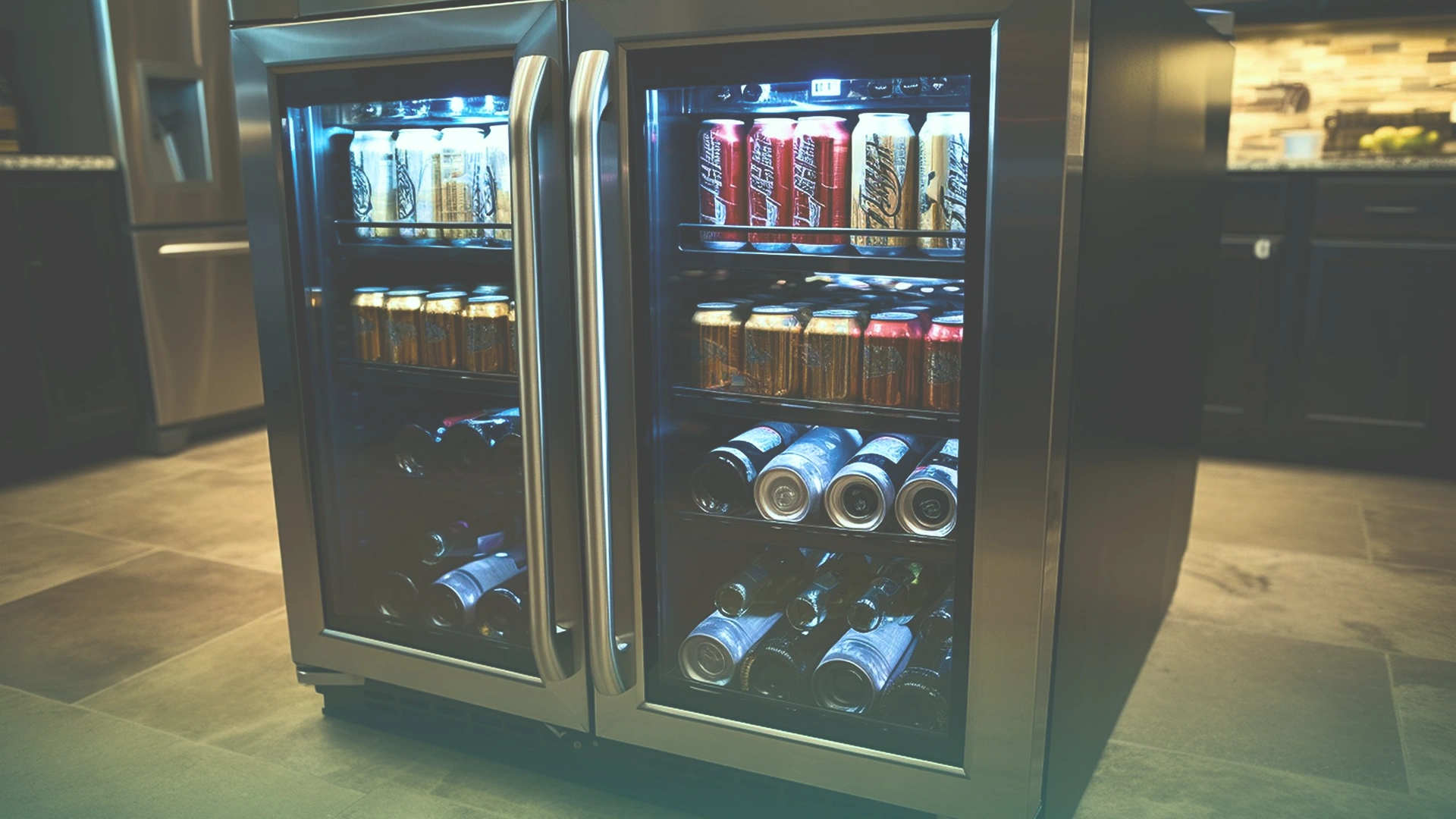
Samsung’s Family Hub refrigerator takes kitchen IoT to the next level with built-in cameras and AI.
It lets users see what’s inside without opening the door, suggests meal plans, and connects directly to grocery delivery services for automated shopping.
Tracks contents with internal cameras and suggests shopping lists.
Alerts when items expire or need restocking.
Syncs with users’ grocery accounts for auto-ordering.
7. LG ThinQ Washing Machine
LG’s ThinQ washing machines use IoT sensors and AI to detect load type, adjust detergent, and optimize energy use.
Through the ThinQ app, users can start or monitor cycles remotely and even integrate washing with other smart home systems.
Detects load and adjusts detergent and water use automatically.
Allows remote start and monitoring via smartphone app.
Integrates with home automation systems for smart scheduling.
8. Bosch HomeConnect Ovens
Bosch’s connected ovens allow users to control, preheat, and monitor their cooking from anywhere.
Integrated IoT capabilities link recipes to temperature settings, ensuring perfectly cooked dishes while saving time and energy.
Preheats or monitors cooking remotely.
Sends notifications when food is ready.
Uses recipe-linked settings for optimal cooking precision.
9. iRobot Roomba / Braava Robot Cleaners
iRobot’s Roomba and Braava cleaners map home layouts using IoT sensors and AI navigation.
They clean autonomously, avoid obstacles, and even recharge themselves — keeping floors spotless with zero manual effort.
Maps home layout and cleans autonomously.
Returns to dock automatically to recharge.
Avoids obstacles and adapts its cleaning path dynamically.
10. Smart Air Purifiers (e.g., Dyson, Xiaomi)
Smart air purifiers use IoT sensors to continuously monitor indoor air quality and adjust fan speed in real time.
They provide detailed air reports, send alerts, and allow users to control settings remotely via mobile apps or voice commands.
Monitor air quality and auto-adjust fan speed for optimal freshness.
Provide real-time pollutant data and performance tracking.
Enable scheduling, remote control, and smart integrations.
Connected Security Systems
#
Brand / Product
IoT Use Case
Core Functionality
Key Benefits
11
Ring Video Doorbell / Alarm
Smart Home Security
Real-time video, motion alerts, two-way talk
Remote monitoring, theft prevention
12
Wyze Cam & Sensors
Affordable Home Monitoring
Motion detection, cloud alerts, smart integration
Cost-effective, quick alerts
13
Arlo Secure / Floodlight Cam
Perimeter Protection
AI motion detection, lighting automation
Enhanced visibility, wireless setup
14
Vivint Smart Security
All-in-One Home System
Cameras, locks, sensors, 24/7 monitoring
Full control, professional support
15
ADT + Google Nest
Integrated Security Network
Unified cameras, locks, and alarms
Centralized control, fast response
11. Ring Video Doorbell / Ring Alarm
Ring’s IoT-powered doorbell system provides real-time video surveillance and instant motion alerts directly to your smartphone.
With built-in microphones and cameras, homeowners can communicate with visitors, monitor deliveries, and deter intruders effortlessly.
Sends live video and motion alerts to the user’s phone.
Allows two-way communication with visitors.
Logs events and detects package thefts.
12. Wyze Cam & Outdoor Sensors
Wyze offers affordable yet powerful IoT-based home monitoring through cameras and motion sensors.
The system integrates with smart home devices and provides instant cloud-based notifications for any unusual activity.
Offers budget-friendly IoT cameras and sensors.
Provides cloud storage and motion-triggered alerts.
Integrates with lights, alarms, and other smart home scenes.
13. Arlo Secure Cameras / Floodlight Cam
Arlo’s smart floodlight cameras combine IoT sensors, AI, and lighting automation to enhance perimeter security.
The system intelligently detects people, vehicles, or animals and activates light and recording instantly.
Uses AI-based detection for people, vehicles, and animals.
Illuminates and records when suspicious motion occurs.
Works wirelessly for easy outdoor deployment.
14. Vivint Smart Home Security
Vivint delivers an all-in-one IoT ecosystem combining cameras, locks, and sensors for total home protection.
Users can monitor and control every aspect remotely, supported by professional 24/7 monitoring.
Unifies cameras, smart locks, and sensors in one system.
Enables remote arming, disarming, and event alerts.
Offers integration with professional monitoring services.
15. ADT + Google Nest Integration
This collaboration merges ADT’s professional monitoring with Nest’s intelligent IoT devices, creating a seamless security experience.
Users manage cameras, alarms, and locks in a single app while automations handle real-time responses.
Combines ADT monitoring with Google Nest smart devices.
Centralized control for alarms, locks, and cameras.
Event-based triggers for faster response and recording.
Smart Agriculture
#
Brand / Product
IoT Use Case
Core Functionality
Key Benefits
16
John Deere Precision Ag
Precision Farming
IoT + GPS for soil & yield data
Informed planting & higher yield
17
CropX / Sentek Sensors
Smart Irrigation
Monitors soil moisture & salinity
Cuts water use, improves crops
18
Arable Mark Station
Climate Monitoring
Tracks weather & crop health data
Predicts stress, optimizes harvest
19
Cowlar Smart Collar
Livestock Tracking
Monitors dairy cattle health & activity
Boosts milk yield, prevents illness
20
Raven AutoSteer / Trimble
Autonomous Farming
IoT-guided tractor navigation
Reduces waste, increases precision
16. John Deere Precision Ag / Operations Center
John Deere integrates IoT and GPS into tractors and equipment to gather precise soil and yield data.
This helps farmers make data-driven decisions for planting, fertilization, and resource management.
Connects tractors and implements for soil and yield insights.
Recommends variable rate applications for efficiency.
Optimizes farm input use and crop yield.
17. CropX / Sentek Soil Sensors
These IoT soil sensors continuously measure soil moisture, salinity, and temperature to guide irrigation strategies.
Farmers receive real-time alerts and recommendations via connected dashboards.
Monitors moisture, salinity, and temperature across fields.
The Arable Mark IoT station collects hyperlocal climate and crop data to forecast weather, disease, and stress.
It supports smarter decision-making around irrigation, spraying, and harvesting.
Measures rainfall, solar radiation, and crop metrics.
Predicts crop diseases or stress early.
Helps optimize harvest and resource planning.
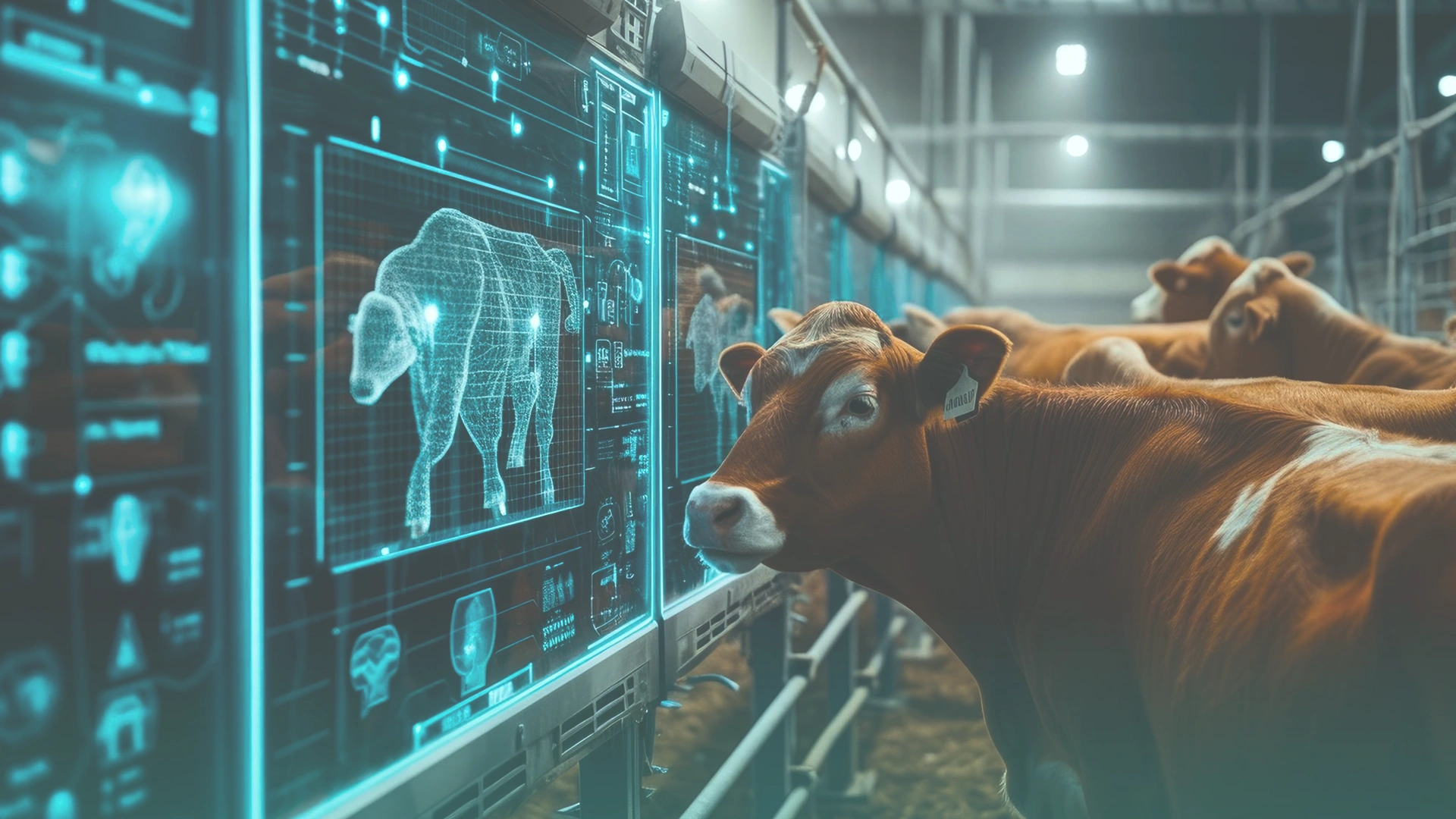
19. Cowlar Smart Collar for Dairy
Cowlar uses IoT-enabled collars to monitor dairy cattle health, activity, and fertility. Farmers get instant alerts on irregular behavior, helping prevent illness and boost milk production.
Tracks activity, rumination, and overall health.
Alerts farmers to early illness or estrus cycles.
Improves herd productivity and animal welfare.
20. Raven AutoSteer / Trimble Guidance Systems
These autonomous tractor steering systems use IoT and GPS data for precision farming. They reduce input waste, minimize overlaps, and maintain consistent crop patterns.
Autonomously steer tractors with centimeter-level precision.
Reduce overlap and optimize resource usage.
Integrate with field sensors for continuous data feedback.
Connected Retail
#
Brand / Platform
IoT Use Case
Core Functionality
Key Benefits
21
Amazon Go
Checkout-Free Stores
AI + sensors track purchases
No lines, instant payments
22
Walmart Smart Shelves
Inventory Tracking
RFID detects stock changes
Auto restock, fewer errors
23
Telit Retail IoT
Smart Vending & Kiosks
Monitors sales & system status
Remote control, uptime boost
24
Coca-Cola Freestyle
Connected Vending
Tracks drink levels & usage
Personalized refills, analytics
25
Zippin / AiFi
Autonomous Retail
AI cameras track purchases
Cuts labor, speeds checkout
21. Amazon Go / Just Walk Out Technology
Amazon’s IoT-driven retail model uses sensors and AI to eliminate checkout lines.
Cameras and weight sensors automatically detect which products a customer picks up and charge their account when they leave the store.
Detects items taken and charges customers automatically
Removes the need for manual checkout
Delivers a frictionless, time-saving shopping experience
22. Walmart Smart Shelves / RFID Tracking
Walmart uses IoT-enabled shelves equipped with RFID tags to track inventory in real time.
These systems automatically detect when products are missing or misplaced, triggering instant restock alerts.
Prevents out-of-stock situations and lost sales
Automates reordering and replenishment
Improves shelf accuracy and operational efficiency
23. Telit Retail IoT (Vending & Kiosks)
Telit integrates IoT modules into vending machines and kiosks, allowing businesses to monitor sales, performance, and stock remotely.
This ensures machines remain functional and profitable without manual oversight.
Reports sales data and system health in real time
Adapts kiosk content based on foot traffic
Provides analytics and remote management
24. Coca-Cola Smart Vending (Freestyle Machines)
Coca-Cola’s Freestyle vending machines use IoT sensors to monitor drink levels, ingredient mixes, and customer preferences.
This data helps the company manage refills and personalize offerings across locations.
Tracks usage and drink combinations automatically
Sends alerts for refills and maintenance
Enables data-driven inventory and marketing decisions
25. Zippin / AiFi Checkout-Free Stores
Zippin and AiFi use AI-powered cameras and sensors to replicate Amazon Go’s model for smaller retailers.
These systems automatically track customer actions and purchases, reducing labor costs and queues.
Detects items taken and processes payments automatically
Works in convenience stores or small outlets
Cuts staffing costs and speeds up the shopping process
Connected Healthcare / IoMT
#
Brand / Platform
IoT Use Case
Core Functionality
Key Benefits
26
Remote Patient Monitoring
At-Home Vitals Tracking
Wearables send real-time health data
Enables continuous, remote care
27
Smart Inhalers
Medication Adherence
Tracks usage and sends reminders
Improves treatment compliance
28
Connected ECG / Wearables
Heart Health Monitoring
Detects irregular rhythms instantly
Supports early intervention
29
IoT-Enabled MRI / CT
Smart Imaging Systems
Transmits diagnostics & maintenance data
Prevents downtime, ensures accuracy
30
Hospital Asset Tracking
Equipment Localization
Uses RFID / RTLS for real-time tracking
Saves time and boosts efficiency
26. Remote Patient Monitoring (Vitals at Home)
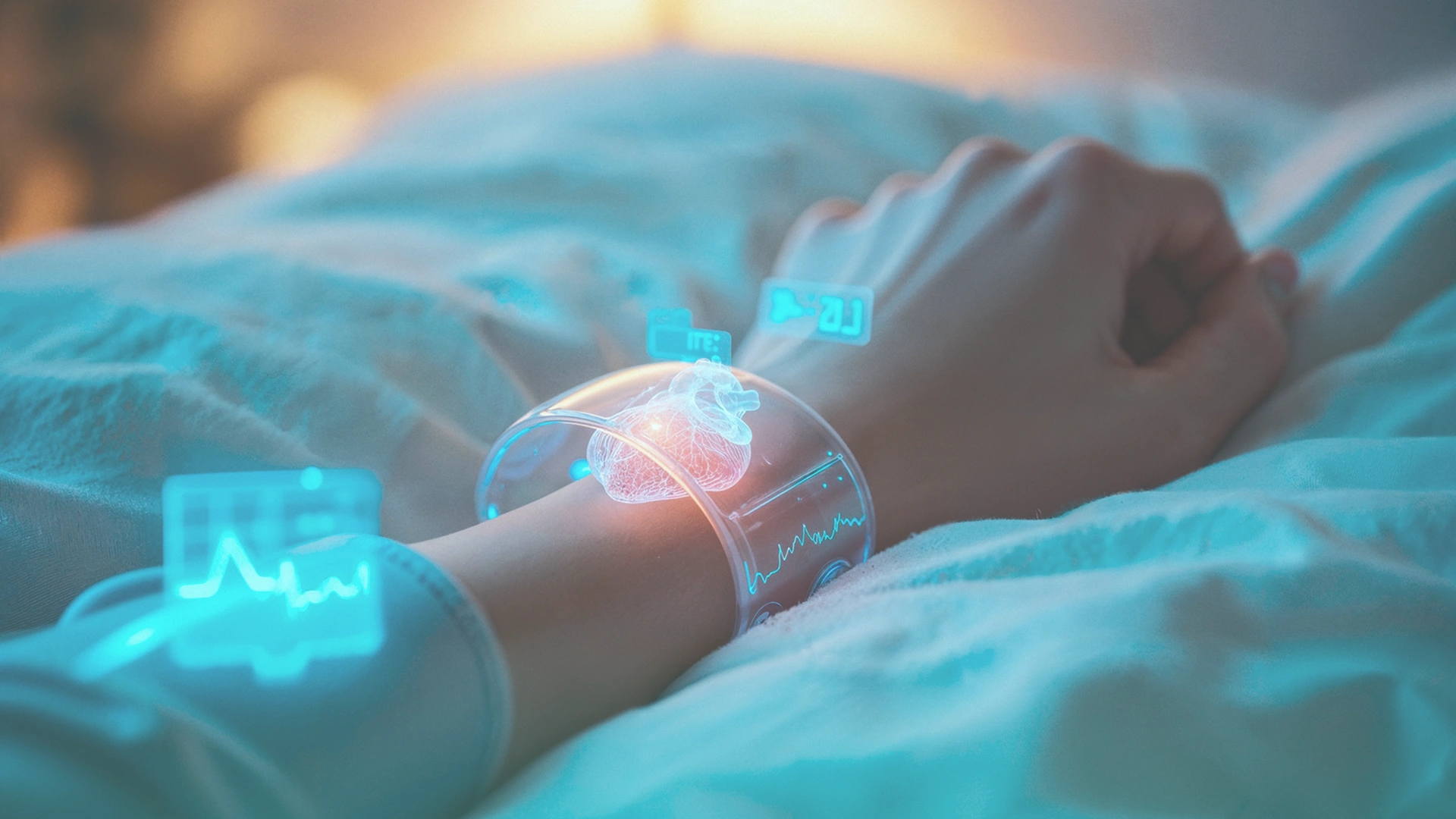
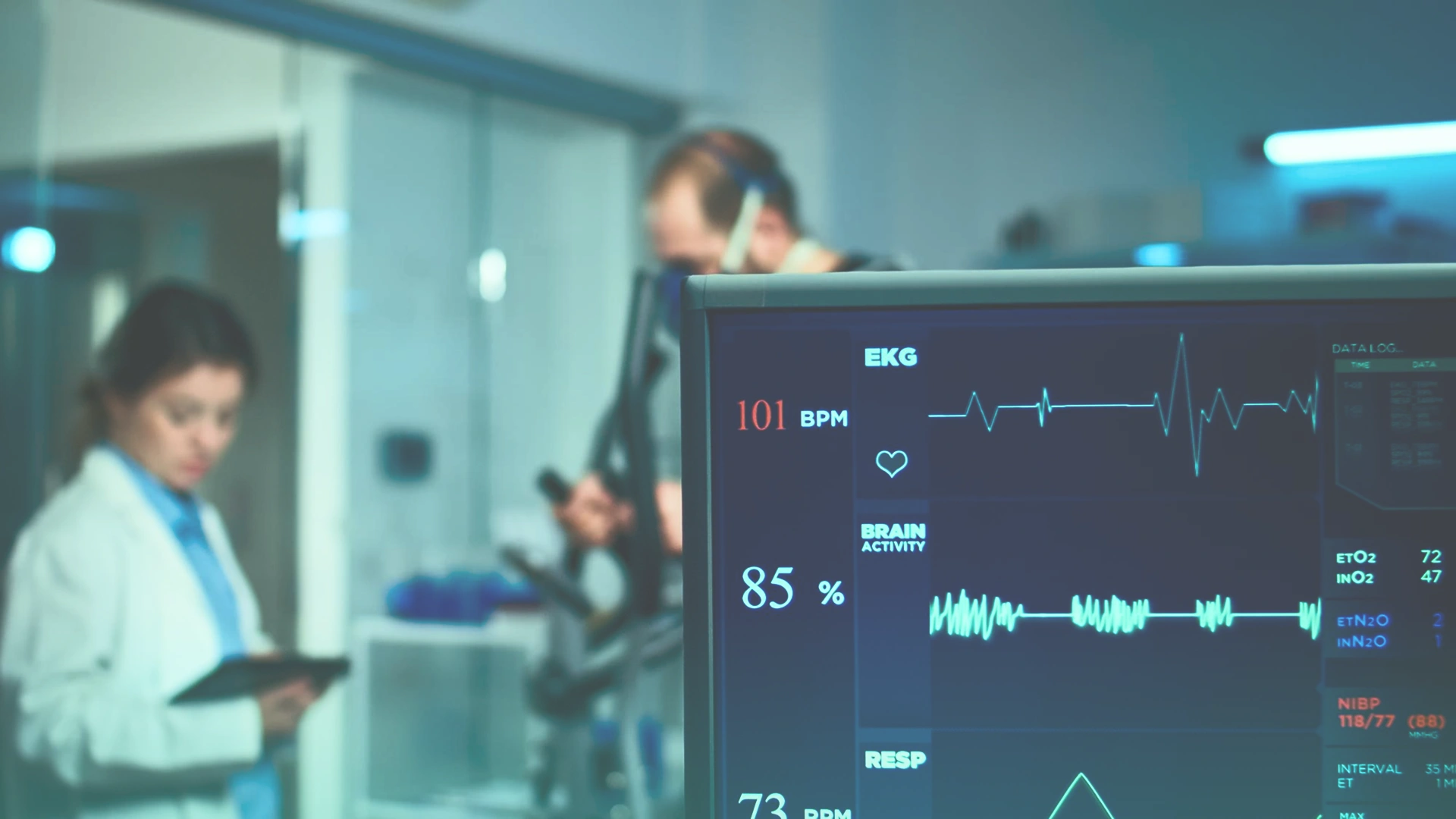
Internet of medical helps healthcare devices like wearables and smart monitors transmit patient data — heart rate, blood pressure, and glucose levels — to doctors in real time.
This enables continuous, remote care without frequent hospital visits.
Sends alerts if vital signs deviate from safe ranges
Connected robots in factories adjust their movements in real time based on sensor input, working safely alongside human employees.
These IoT-enabled cobots increase productivity and workplace safety.
Automates repetitive or hazardous tasks
Collaborates safely with humans
Enhances flexibility in manufacturing lines
34. Vision-Based Quality Inspection
High-speed IoT-enabled cameras inspect products for defects as they move along the production line.
Automated detection ensures only high-quality items move forward.
Identifies defects in real time
Reduces waste and rework
Improves product consistency
35. Factory Energy & Utility Monitoring
IoT sensors monitor factory-wide energy, water, and gas usage to pinpoint inefficiencies. Insights from analytics help optimize resource consumption and lower costs.
Tracks energy and utility use per machine or zone
Suggests adjustments for efficiency
Cuts waste and reduces carbon footprint
Smart Cities & Infrastructure
#
Brand / Platform
IoT Use Case
Core Functionality
Key Benefits
36
Citywide Smart Lighting
Adaptive Streetlight Control
Adjusts brightness using motion and light sensors
Saves up to 70% in energy
37
Adaptive Traffic Systems
Smart Signal Optimization
Adjusts signal timing via real-time traffic data
Reduces congestion and emissions
38
Smart Waste Management
IoT Bin Monitoring
Alerts collection teams when bins are full
Cuts costs and fuel waste
39
Environmental Sensors
Air & Noise Tracking
Monitors pollution and temperature citywide
Enables data-driven urban policies
40
Smart Parking & EV Networks
Real-Time Parking & Charging
Detects availability and reports to apps
Improves mobility and driver experience
36. Citywide Smart Lighting
Modern cities are deploying IoT-powered streetlights that sense movement, brightness, and weather to adjust illumination automatically.
These systems save energy, extend bulb life, and enable centralized monitoring for maintenance.
Adjust brightness based on motion or ambient light
Enable centralized control and fault alerts
Reduce citywide lighting costs by up to 70%
37. Adaptive Traffic & Signal Systems
IoT traffic sensors track real-time vehicle movement, adjusting signal timing dynamically to minimize congestion.
Smart intersections also prioritize ambulances and public transport automatically.
Analyze traffic flow and adjust signals instantly
Shorten commute times and reduce emissions
Improve emergency response coordination
38. Smart Waste Management (IoT Bins)
Connected waste bins use fill-level sensors to alert collection teams only when they’re full. This optimizes routes, saves fuel, and reduces unnecessary collection runs.
Route optimization for trash trucks
Fewer wasted trips and lower costs
Cleaner, more efficient urban spaces
39. Environmental Sensors & Air Quality Monitors
IoT networks across cities monitor pollution, noise, and temperature in real time. The collected data helps authorities respond to air-quality issues and improve urban policies.
Track pollutants like NO₂, PM2.5, and CO levels
Issue health and safety alerts instantly
Provide open data for research and policymaking
40. Smart Parking & EV Charging Networks
IoT-enabled parking sensors detect open spots and share them through connected apps. EV charging stations also report availability and power status to optimize usage.
Guide drivers to open spaces or chargers
Reduce parking search times
Streamline urban mobility infrastructure
Smart Energy & Utilities
#
Brand / Platform
IoT Use Case
Core Functionality
Key Benefits
41
Smart Meters
Real-Time Consumption Tracking
Monitors electricity, water, and gas usage instantly
Detects leaks and reduces waste
42
Grid Load Balancing
Dynamic Energy Distribution
Adjusts power flow based on real-time demand
Prevents overloads and blackouts
43
Renewable Energy Monitoring
Solar & Wind Tracking
Analyzes performance of panels and turbines
Improves efficiency and uptime
44
Battery & Microgrid Systems
Energy Storage Optimization
Monitors charge cycles and battery health
Cuts costs and boosts resilience
45
Water Infrastructure Monitoring
Leak & Pressure Detection
Uses sensors to find anomalies in pipelines
Saves water and reduces downtime
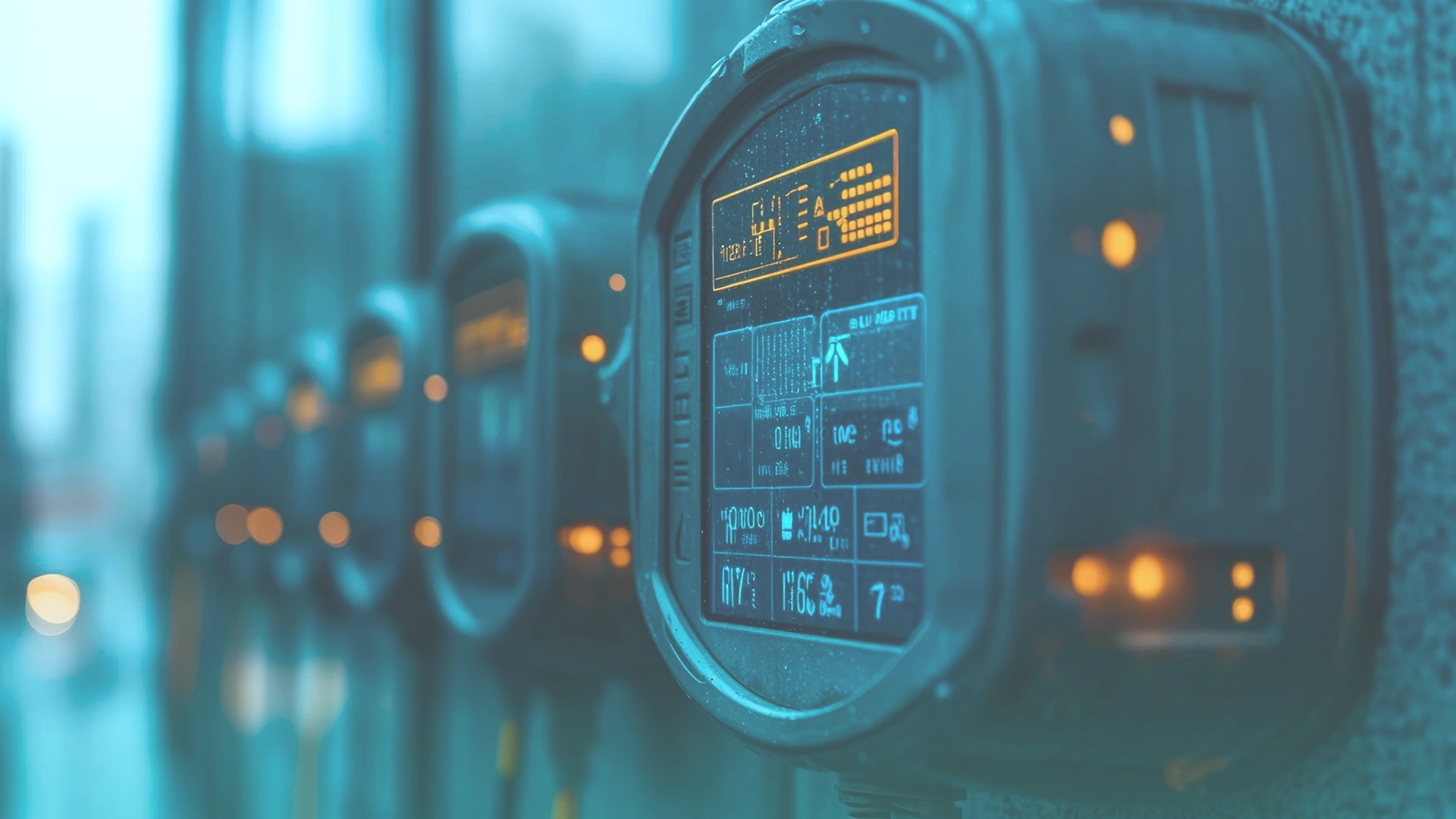
41. Smart Meters (Electricity, Water, Gas)
Smart meters use IoT communication to deliver real-time consumption data to both providers and customers. These systems detect leaks, outages, and inefficiencies instantly.
Provide live usage data and analytics
Enable dynamic pricing and early fault detection
Help users reduce energy waste
42. Grid Load Balancing & Demand Response
IoT-driven power grids automatically reroute and balance electricity based on real-time demand. This helps prevent overloads and supports renewable energy integration.
Redistribute energy intelligently during peaks
Prevent blackouts and overload events
Maximize the efficiency of renewable sources
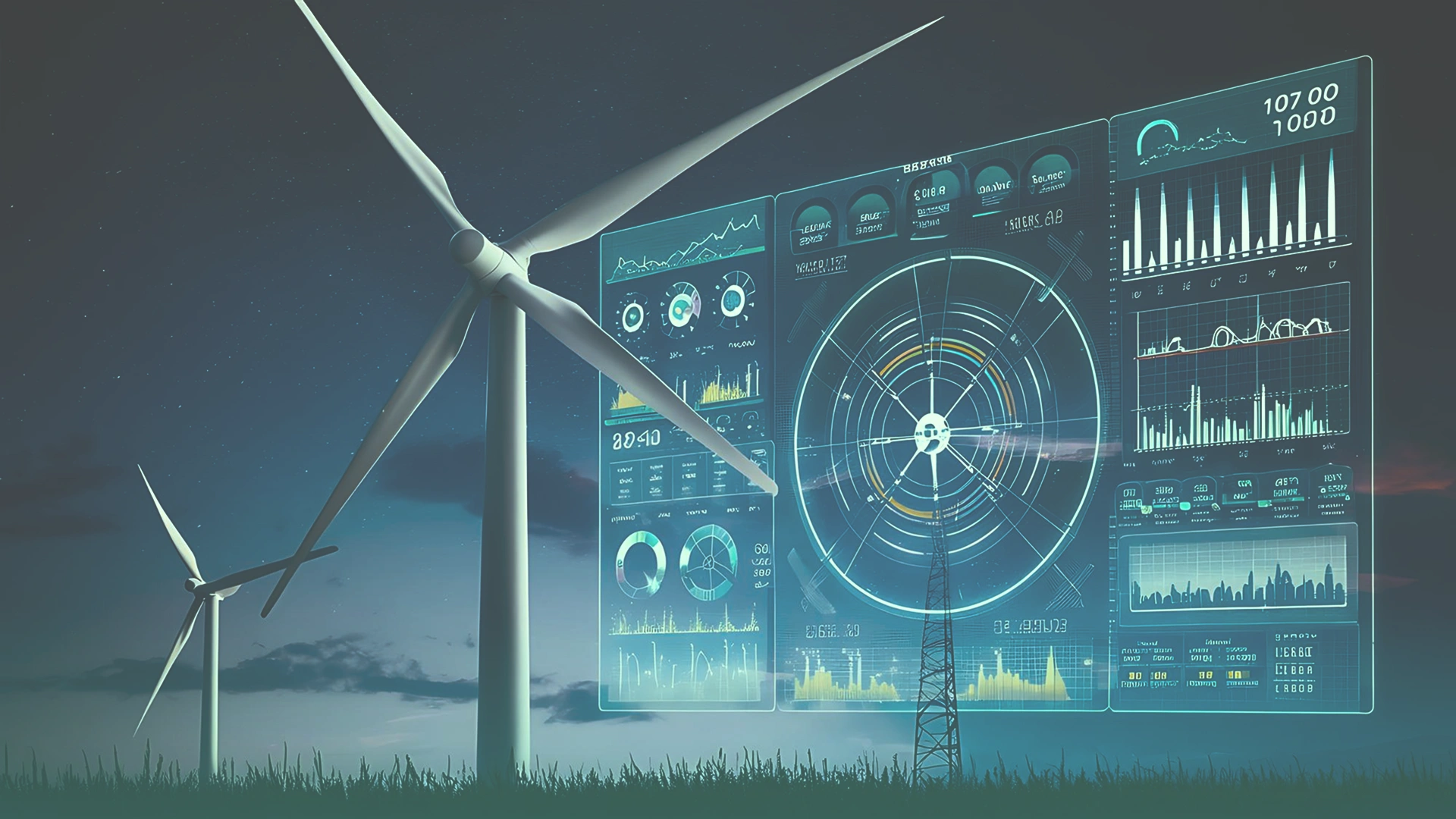
43. Renewable Energy Monitoring (Solar, Wind)
IoT sensors on solar panels and turbines track energy generation and equipment performance. They alert operators about faults to ensure continuous output.
Detect underperforming components early
Provide data for predictive maintenance
Boost renewable energy efficiency
44. Battery & Storage Systems / Microgrids
IoT technology monitors energy storage systems, optimizing charge and discharge cycles. It helps manage distributed microgrids for resilience and cost savings.
Analyze charge, discharge, and battery health
Improve energy flow and peak management
Support grid independence and stability
45. Water Infrastructure Monitoring & Leak Detection
IoT sensors in pipelines track pressure and flow to identify leaks before they cause damage. This helps utilities conserve water and maintain reliability.
Detect anomalies in real time
Send instant alerts to maintenance crews
Reduce water waste and service downtime
Sustainability & Environmental IoT
#
Brand / Platform
IoT Use Case
Core Functionality
Key Benefits
46
Forest Fire Detection Networks
Early Fire Monitoring
Tracks temperature, humidity, and smoke in real time
Enables rapid alerts and containment
47
Smart Irrigation Systems
Green Space Management
Uses soil and weather sensors for automated watering
Saves water and reduces maintenance
48
Air Pollution Sensor Networks
Environmental Monitoring
Measures pollutants and air quality across regions
Supports clean-air policies and awareness
49
Energy-Harvesting IoT Sensors
Sustainable Power Supply
Uses solar or kinetic energy for operation
Eliminates battery waste and upkeep
50
Climate Monitoring Stations
Atmospheric Data Collection
Captures weather and CO₂ data continuously
Supports climate research and sustainability
46. Forest Fire Detection Networks
IoT sensors placed in forests continuously track temperature, humidity, and smoke levels. When anomalies are detected, alerts are sent to firefighting authorities for rapid response.
Detect fires at the earliest stage
Enable quicker containment and prevention
Protect forests and nearby communities
47. Smart Irrigation in Green Spaces / Parks
IoT irrigation systems monitor soil moisture and weather data to water plants only when needed. This conserves water while keeping landscapes healthy year-round.
Automate watering schedules efficiently
Reduce waste and maintenance costs
Maintain optimal soil health for vegetation
48. Air Pollution & Sensor Networks (e.g., AQMon)
Distributed IoT air monitors provide real-time air quality data to cities and citizens. They help governments plan environmental policies based on accurate, localized data.
Measure air pollutants across zones
Publish real-time public dashboards
Support environmental compliance and research
49. Battery-Free / Energy-Harvesting IoT Sensors
These next-gen IoT devices draw power from solar, kinetic, or radio frequencies, eliminating the need for batteries. They’re ideal for remote or long-term deployments.
Operate sustainably without manual recharging
Reduce e-waste and maintenance costs
Support green IoT infrastructure at scale
50. Connected Climate Monitoring Stations
IoT-enabled climate stations track atmospheric data like temperature, rainfall, and CO₂ in real time. Scientists use this data to study long-term climate change.
Gather high-frequency environmental metrics
Feed global climate databases
Support sustainable development and research initiatives
Future of IoT in 2026 and Beyond
The next wave of IoT will be powered by AI, 5G, and edge computing, enabling faster, smarter, and more autonomous systems.
The next wave of IoT solutions will combine AI, 5G, and edge computing for faster, smarter, and more autonomous operations.
Leading IoT solution providers are enabling industries to scale securely through predictive analytics and automation.
AIoT (Artificial Intelligence + IoT) will help devices make instant decisions, transforming IoT use cases like logistics, maintenance, and smart manufacturing.
5G networks will support billions of devices with low latency, driving new Internet of Things (IoT) protocols and real-time Internet of Things healthcare systems.
Edge computing will boost speed and privacy by processing data near its source, vital for finance, healthcare, and industrial IoT.
Digital twins will simulate and monitor assets, creating new Industry IoT success stories in energy, construction, and mobility.
Sustainability will lead the next decade, IoT helps track carbon, optimize energy, and achieve ESG goals across sectors.
Internet of Things companies are expanding fast, connecting devices in smart homes, factories, and cities.
For those asking “what is the Internet of Things?”, it’s the network uniting data, devices, and decisions, from the Internet of Medical Things to industrial innovation.
By 2030, over 50 billion IoT devices will be online, fueling global progress through connected intelligence. (3)
How Can You Implement IoT in Your Business?
Implementing the Internet of Things (IoT) isn’t just about connecting devices; it’s about transforming operations with data-driven decisions.
Whether you’re exploring Internet of things manufacturing examples, enhancing care through Internet of things healthcare examples, or applying industrial Internet of things solutions across logistics, IoT can redefine how your business works.
Here’s how to do it effectively:
Define Clear Use Cases: Identify measurable goals such as predictive maintenance, smart energy monitoring, or Internet of Things education examples that enhance operational efficiency.
Select Reliable IoT Solution Providers: Choose partners experienced in Internet of Medical Things examples, device integration, and scalable architecture.
Adopt Secure IoT Protocols: Use encrypted Internet of Things technology examples to protect sensitive business and customer data.
Start with a Pilot: Test small-scale Internet of Things logistics examples before rolling out company-wide.
Integrate Devices and Data: Connect sensors, machines, and Internet of things devices examples to centralized dashboards for better visibility.
Leverage AI and Analytics: Turn real-time IoT data into insights that improve safety, efficiency, and performance.
Scale and Optimize Continuously: Use learnings from early examples of internet of things applications to expand your IoT ecosystem across departments.
From Internet of things retail examples that improve customer experience to internet of things security examples that enhance safety, IoT implementation helps businesses stay competitive in a connected world.
Final Verdict
The Internet of Things is now the backbone of modern industry. It connects systems, streamlines operations, and powers smarter, data-driven decisions.
From factories to homes and cities, IoT is driving real impact, boosting efficiency, reducing waste, and enabling innovation.
The future belongs to businesses that use IoT not just to collect data, but to act on it, faster, smarter, and more sustainably.
Ameena is a content writer with a background in International Relations, blending academic insight with SEO-driven writing experience. She has written extensively in the academic space and contributed blog content for various platforms.
Her interests lie in human rights, conflict resolution, and emerging technologies in global policy. Outside of work, she enjoys reading fiction, exploring AI as a hobby, and learning how digital systems shape society.
Oops! Something went wrong while submitting the form.
Cookies Settings
We use cookies to provide you with the best possible experience. They also allow us to analyze user behavior in order to constantly improve the website for you.


.webp)
.webp)
.webp)