
.webp)
.webp)
.webp)






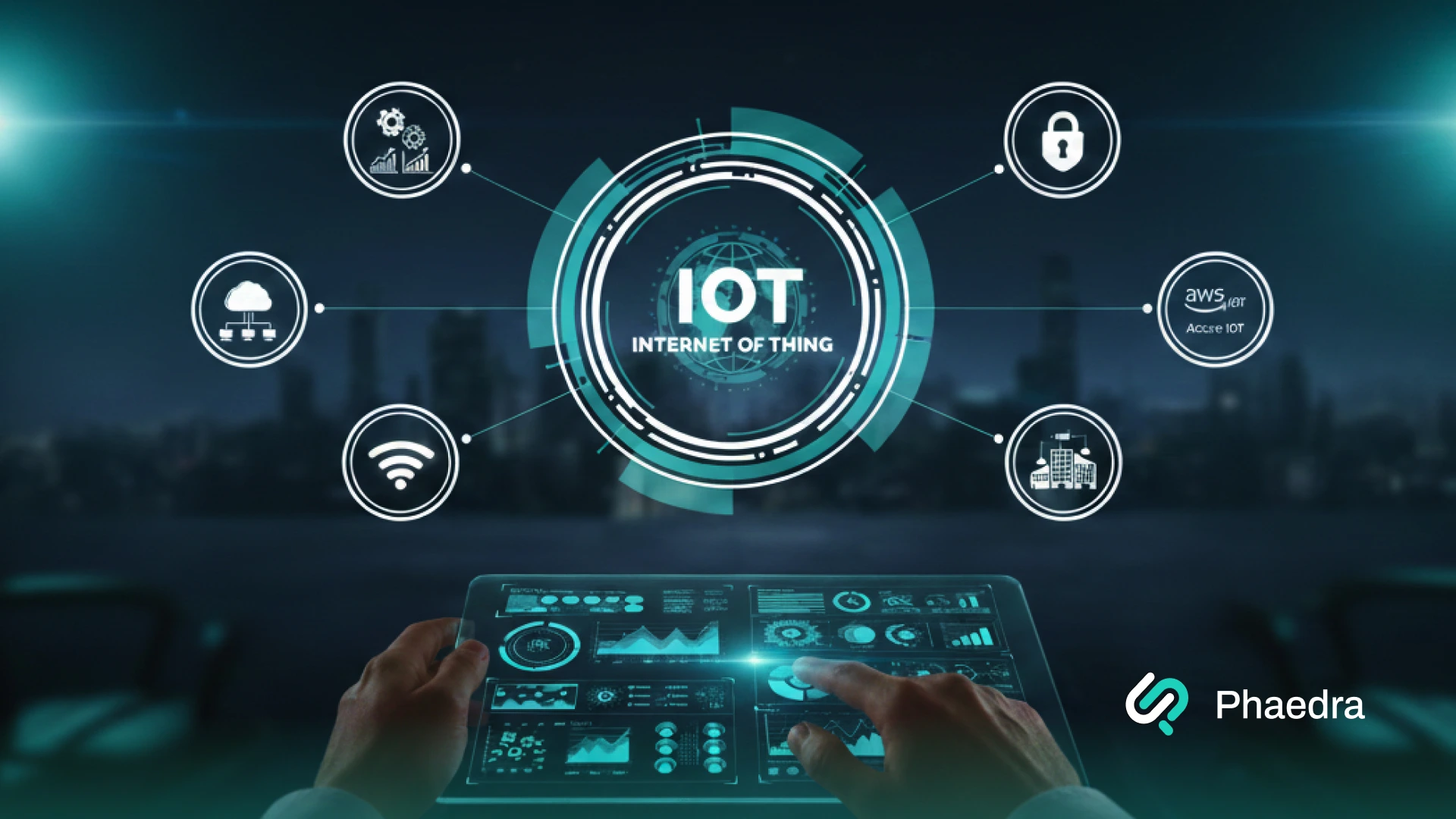
The Internet of Things, or IoT, is a system of everyday objects, such as appliances, cars, and machines, that connect to the internet to collect, share, and act on data.
These smart devices use sensors and software to “talk” to each other and automate tasks without needing human input.
From smart homes and fitness trackers to connected cars and industrial equipment, IoT has become part of how we live and work.
There are now billions of IoT devices worldwide, and this number continues to grow annually.
In this guide, you’ll learn what the Internet of Things means, how it works, its main benefits, and where it’s being used in real life.
We’ll also explore business applications, challenges, and future trends to help you understand how IoT is shaping our connected world.
The Internet of Things (IoT) is transforming how businesses operate, compete, and grow. It connects devices, systems, and people to generate real-time data, turning operations into intelligent, automated ecosystems that deliver measurable results.
IoT systems combine hardware, software, and data analytics to create a continuous loop of sensing, communication, and action.
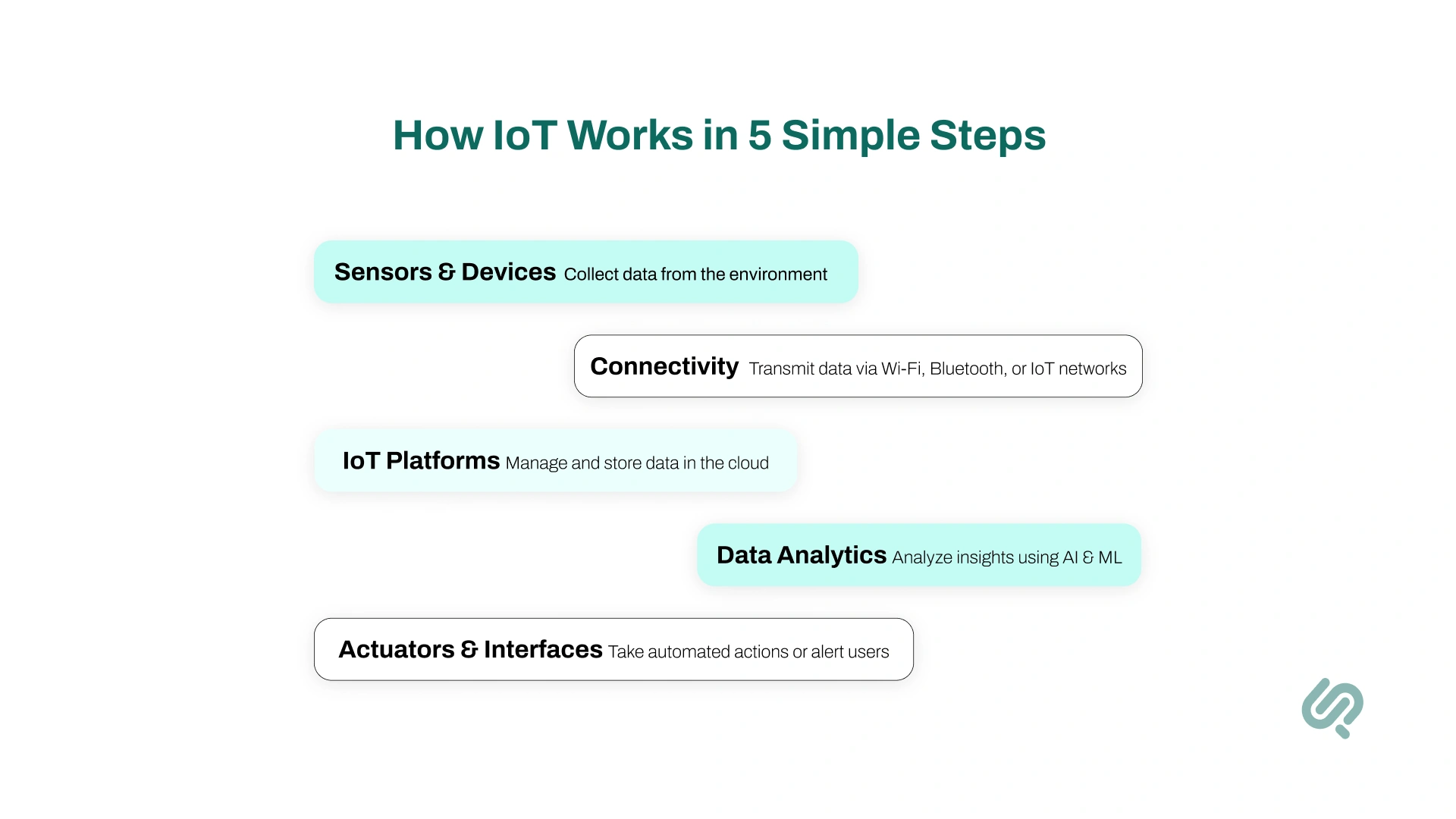
At the heart of every IoT system are IoT sensors that monitor real-world conditions like temperature, pressure, motion, or light.
These sensors are built into IoT devices, from a smart thermostat that tracks temperature to wearable devices that measure your heart rate or blood pressure.
Some devices also include actuators that perform actions based on commandslike closing a valve, switching off a light, or adjusting machine speed.
These sensors turn physical signals into digital sensor data, forming the foundation of all IoT technologies.
Once collected, sensor data must be transmitted securely through an IoT network.
Devices use multiple Internet of Things (IoT) protocols and communication technologies like Wi-Fi, Bluetooth, Zigbee, Z-Wave, LoRaWAN, NB-IoT, and MQTT to send data to the cloud or directly to other devices.
These IoT networks can be local (e.g., a smart home setup) or global (spanning thousands of connected assets).
This connectivity enables machine-to-machine communication, where devices share and exchange data automatically, powering automation across industries.
The IoT platform acts as the brain of the entire system. It receives, stores, and manages IoT data coming from multiple devices and networks.
These platforms often rely on cloud computing to handle large-scale data processing and analytics.
Popular IoT platforms like AWS IoT, Google Cloud IoT, and Azure IoT provide built-in tools for device management, data visualization, and integration with business applications.
This allows companies to monitor many IoT devices, track performance, and create IoT solutions that automate complex workflows.
The true power of IoT lies in how it processes and interprets real-time data.
Using AI, machine learning, and predictive analytics, IoT systems can detect anomalies, predict failures, and optimize performance automatically.
For instance, in manufacturing, industrial IoT analytics can predict when a machine needs maintenance (predictive maintenance), reducing downtime and maintenance costs.
In retail, IoT applications can analyze customer behavior and adjust displays or pricing dynamically.
After analysis, IoT systems take action through actuators or notify users via interfaces like apps, dashboards, or voice assistants.
For example, your smart home app might automatically adjust the thermostat, or a factory dashboard might show machine alerts to an engineer.
This layer completes the automation cycleturning insights into instant physical actions and giving users full control of smart devices through intuitive interfaces.
Imagine a farm equipped with IoT sensors that detect soil moisture levels.
This simple example shows how IoT helps reduce energy consumption, save resources, and improve efficiency without human intervention.
The Internet of Things (IoT) isn’t just a tech trend. It’s transforming how businesses and individuals operate every day.
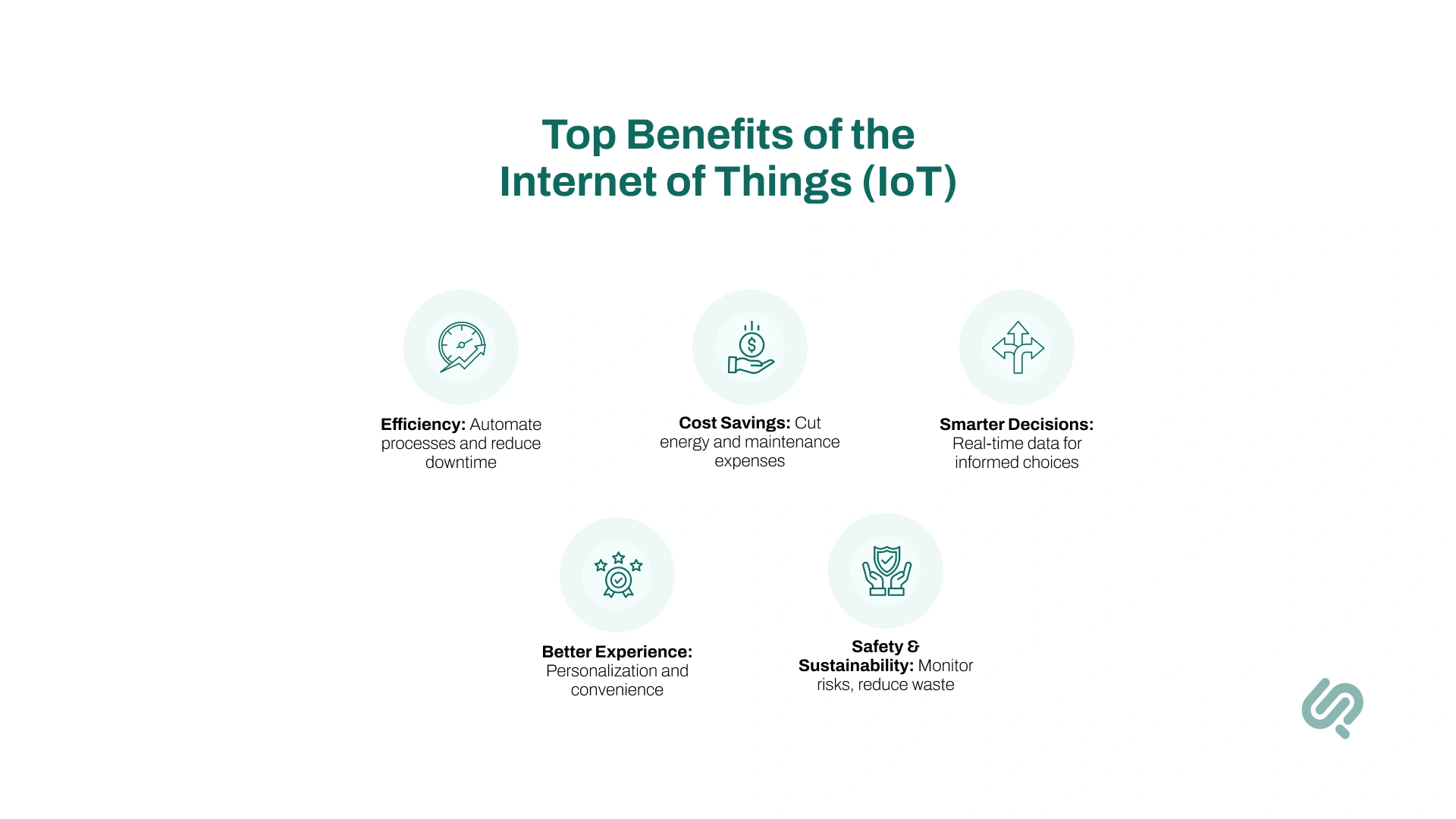
By combining real-time data, automation, and intelligent decision-making, IoT drives efficiency, reduces costs, and unlocks innovation at scale.
Below are the most important benefits of IoT for both organizations and consumers:
The Internet of Things (IoT) touches nearly every aspect of modern life.
Wherever there’s data to collect or a process to automate, IoT makes it smarter, faster, and more efficient.
Below are the top real-world IoT applications across industries, showing how this technology is transforming both daily life and global business operations.

How It Works:
In a smart home, connected IoT devices like thermostats, cameras, lights, and appliances communicate over Wi-Fi or Bluetooth to create an intelligent, automated environment.
IoT sensors detect temperature, motion, and usage patterns, while software algorithms adjust devices automatically, saving energy and improving comfort.
Examples:
Impact:
Consumer IoT enhances convenience and safety while lowering utility costs.
More than one-third of U.S. homes now use smart home technology, and adoption continues to grow as IoT platforms become simpler and more affordable.
How It Works:
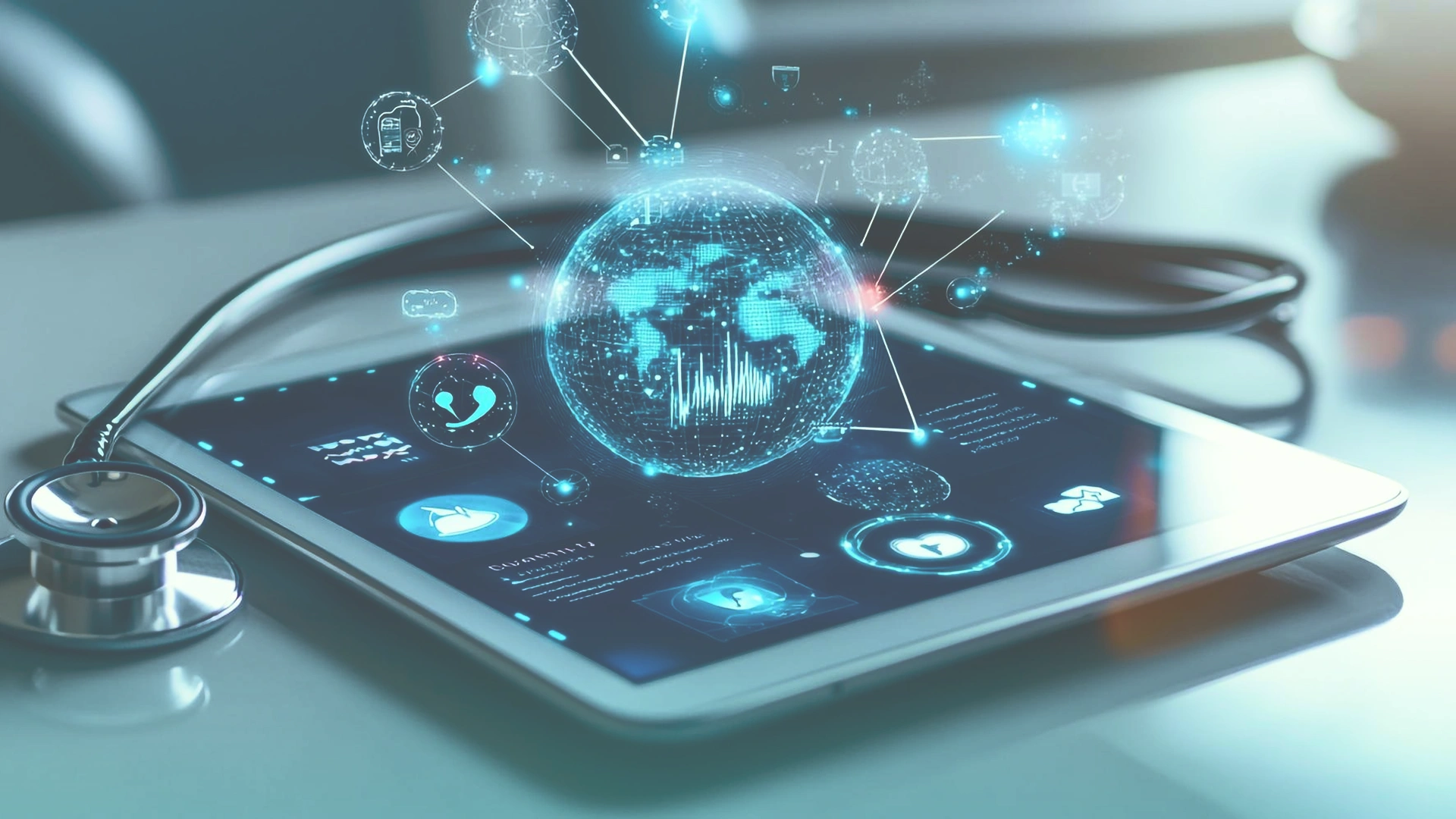
Healthcare IoT connects medical devices, hospital systems, and wearables into a unified network that collects real-time data.
Devices such as glucose monitors, ECG sensors, and oxygen trackers transmit patient information securely to doctors via cloud-based IoT platforms, allowing remote monitoring and early detection.
Examples:
Impact:
The Internet of Medical Things improves patient safety, reduces hospital visits, and enables predictive healthcare.
With IoMT forecast to make up nearly 30% of global IoT spending, connected care is becoming the new standard for medical efficiency and responsiveness.
How It Works:
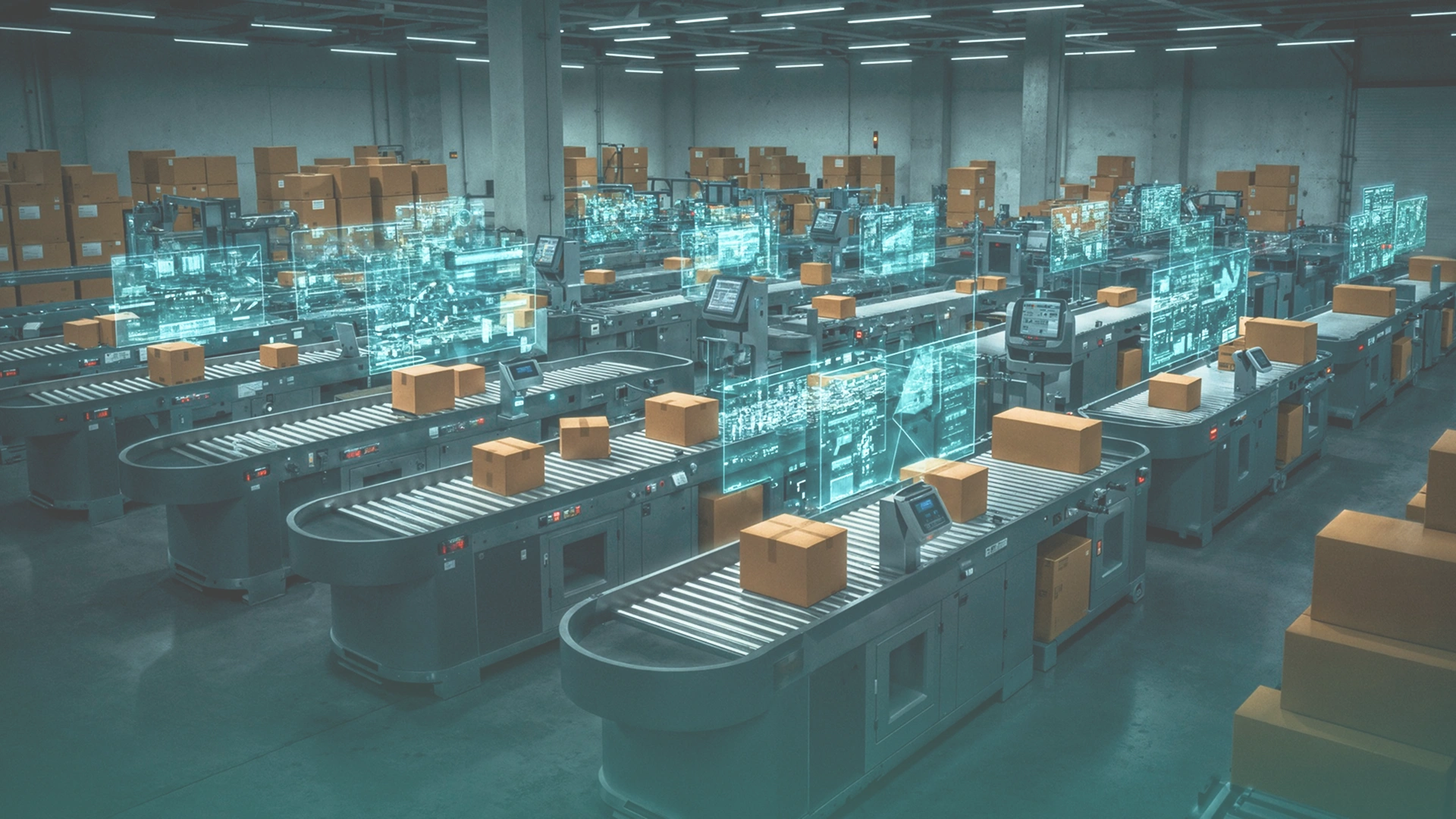
Industrial IoT brings smart connectivity to factories and production lines.
Sensors on machines collect IoT data on vibration, pressure, and performance, transmitting it to centralized dashboards through IoT networks.
Analytics systems detect faults early and enable predictive maintenance that keeps production running smoothly.
Examples:
Impact:
IIoT boosts uptime, lowers maintenance costs by up to 20%, and enables smart factories with near-zero unplanned downtime.
The shift toward data-driven, connected production is a key pillar of Industry 4.0 worldwide (3).
How It Works:
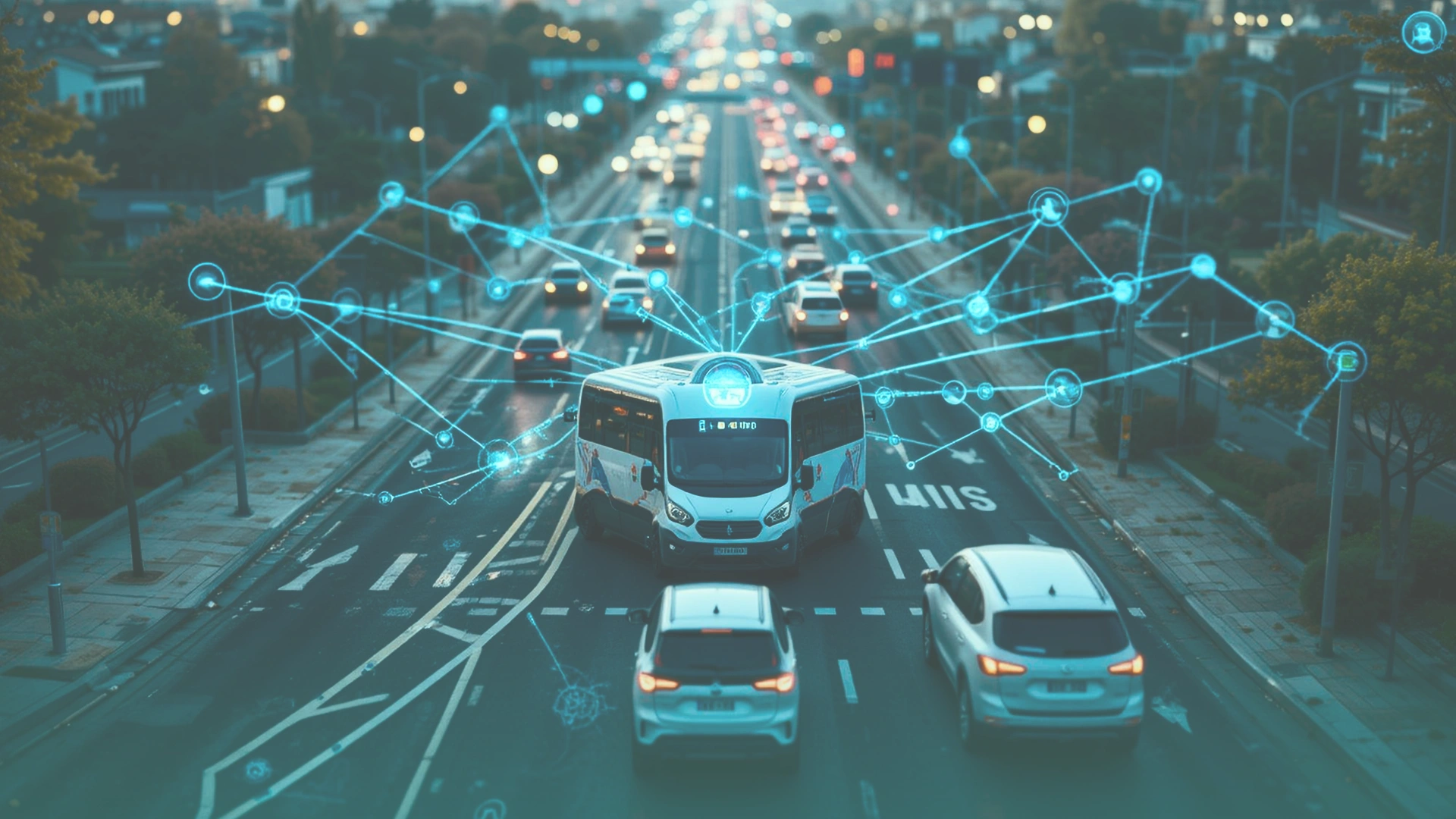
Smart cities rely on IoT sensors across transportation, energy, and utilities to optimize urban living.
Data from connected devices like traffic cameras, streetlights, and waste bins flows into IoT platforms where algorithms analyze conditions and trigger automated responses in real time.
Examples:
Impact:
Cities like Barcelona and Singapore report up to 70% lower lighting costs and faster emergency responses thanks to IoT automation.
By 2025, more than 30 billion connected devices will form the backbone of global smart city infrastructure. (4)
How It Works:
Modern vehicles act as mobile IoT systems, packed with sensors, cameras, and telematics that collect real-time data on performance, fuel efficiency, and driver behavior.
This information is transmitted via 5G and IoT networks for navigation, diagnostics, and safety automation.
Examples:
Impact:
Connected transportation enhances safety, reduces emissions, and saves fuel. Companies like UPS and FedEx use IoT analytics to improve logistics, while autonomous vehicles depend entirely on IoT for sensor-to-sensor coordination.
How It Works:
In retail and logistics, IoT solutions connect shelves, warehouses, and delivery fleets.
RFID tags and IoT sensors track items through every stage from factory to checkout, while analytics platforms monitor inventory levels and customer behavior in real time.
Examples:
Impact:
IoT drives better inventory accuracy, faster deliveries, and personalized shopping experiences.
Retailers save millions annually through automation and shrinkage reduction while customers enjoy a smoother, data-enhanced buying journey.
Adopting the Internet of Things (IoT) in business requires more than installing connected devices.
It demands a clear strategy that aligns technology, data, and security with measurable outcomes.
Here are 7 steps to do it effectively:
Start with specific goals and IoT use cases such as cutting energy costs, improving production efficiency, or gathering customer insights. Begin with a small pilot project to test ROI before scaling.
A defined roadmap ensures every IoT deployment supports your business objectives.
💡 Example: A retail chain installs smart shelves in one store to test automated inventory tracking before rolling it out company-wide.
IoT projects span hardware, software, data, and cloud integration.
Collaborate with specialized IoT development services or IoT setup consulting teams to design the right architecture, choose devices, and ensure system reliability.
These experts can accelerate rollout and prevent costly integration mistakes.
💡 Example: A manufacturing startup partners with an IoT consulting firm to connect its machinery and get real-time performance dashboards.
Select an IoT platform that fits your scale and needs, whether AWS, Azure, or Google Cloud IoT.
Consider connectivity (Wi-Fi, cellular, LPWAN), scalability, and IoT device management features for firmware updates and data handling. Opt for open standards and IoT protocols to avoid vendor lock-in and support interoperability.
💡 Example: A logistics company picks AWS IoT to connect its delivery trucks across regions, monitor routes, and track maintenance through one unified platform.
Every IoT device is a potential cyber entry point. Use strong encryption, device authentication, and segmented IoT networks to minimize risks.
Regularly update firmware and monitor devices for anomalies. Compliance with data privacy laws and transparent user policies is vital for trust and sustainability.
💡 Example: A smart home startup encrypts all data from its sensors and introduces two-factor authentication to protect customer privacy.
IoT generates massive volumes of sensor data; manage it wisely. Determine what data should be processed at the edge vs. in the cloud.
Use analytics and AI to turn IoT data into actionable insights, like predictive maintenance or customer trend forecasting. Define data retention policies to control costs.
💡 Example: A factory uses AI to analyze sensor data locally for instant alerts about machine overheating, while sending summarized reports to the cloud daily.
Run a proof of concept (PoC) before full-scale rollout. Measure outcomes like cost reduction, uptime improvement, or efficiency gains.
Once proven, expand in phases, ensuring your teams are trained and workflows adjusted to leverage IoT insights effectively.
💡 Example: A hospital tests IoT-based patient monitoring in one ward before expanding it across all departments after confirming efficiency gains.
Study a Business IoT case study in your sector to understand best practices and common challenges. Learning from successful IoT implementations helps your organization adopt proven strategies and avoid common pitfalls.
A well-executed IoT strategy doesn’t just reduce costs, it opens doors to new revenue streams and smarter, data-driven services.
Partnering with the right experts and securing your infrastructure will ensure your IoT journey delivers lasting business value.
💡 Example: A food supply company studies how Nestlé uses IoT for temperature tracking during transport — then adapts similar solutions for its own cold-chain logistics.
The Internet of Things (IoT) works because of common standards and frameworks that let devices, networks, and cloud systems communicate smoothly.
A lightweight standard that allows low-power devices like sensors and wearables to send data efficiently using IPv6 over wireless networks such as Bluetooth or Thread.
A popular mesh networking standard often used in smart homes and industrial systems. Dotdot ensures different Zigbee devices can speak a common language for seamless interoperability.
Ideal for industrial IoT, DDS provides real-time, high-performance communication between machines, perfect for robotics, defense, and healthcare systems.
Designed for low-power, resource-limited devices, CoAP enables quick and efficient communication between IoT devices and servers.
Messaging standards that power most IoT communications:
An open-source platform that helps developers build secure and scalable IoT applications using Arm-based microcontrollers.
Amazon’s powerful cloud framework that lets devices connect securely, send data, and interact with other AWS services for analytics and automation.
A comprehensive set of cloud tools from Microsoft for connecting, monitoring, and managing IoT devices at enterprise scale.
Google’s IoT platform simplifies device management and integrates with analytics tools to deliver real-time insights from connected devices.
A community-driven, open-source framework offering flexible tools for IoT developers, from device connectivity to edge computing and data integration.
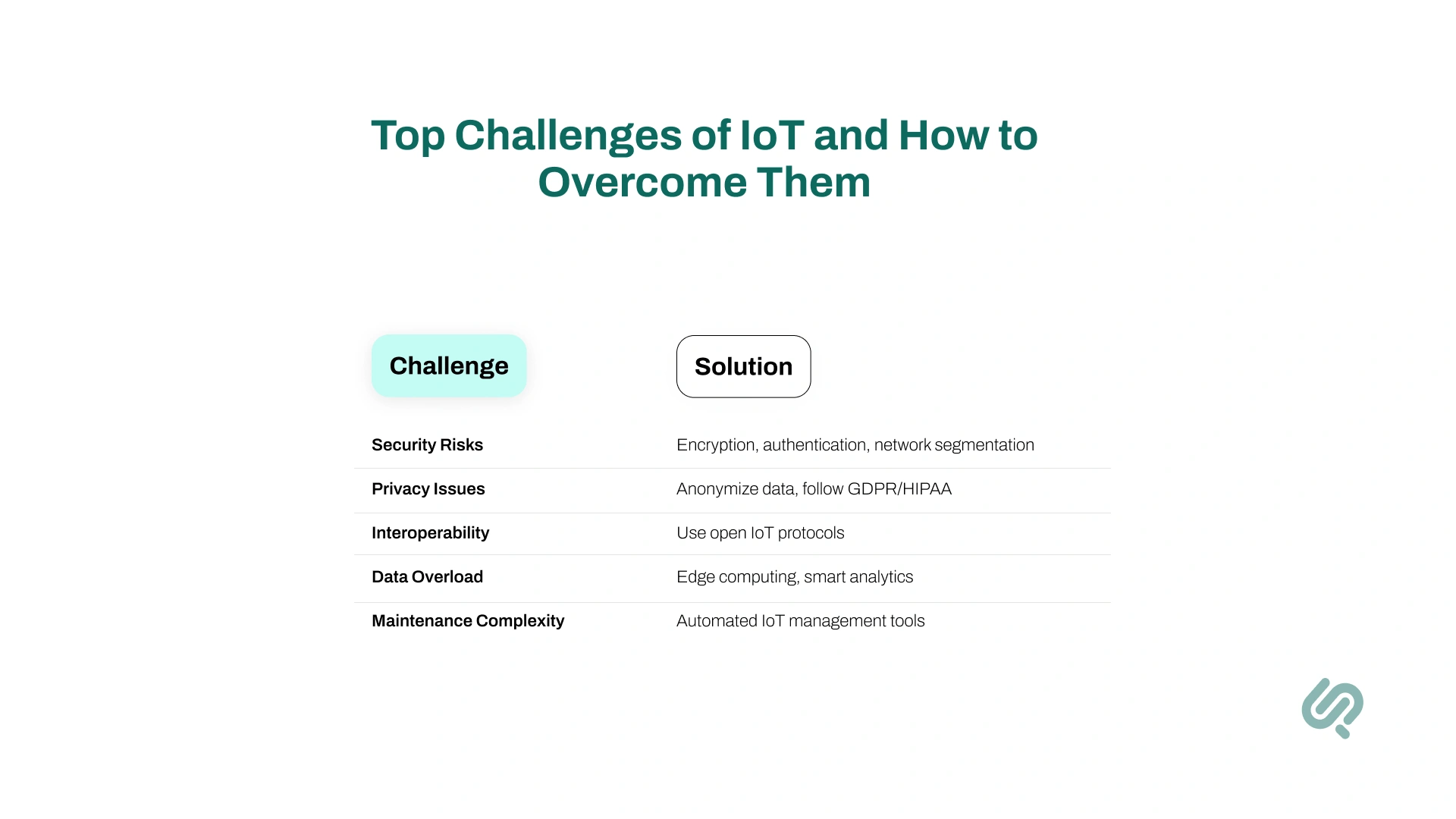
While the Internet of Things (IoT) delivers major advantages, it also introduces unique challenges that businesses and consumers must address.
Below are the key risks that can impact IoT security, privacy, and performance.
Impact: IoT security is a top concern; even one hacked device can compromise an entire system.
Impact: Poor data governance can damage trust and expose organizations to compliance penalties.
Impact: Without interoperability, IoT networks become complex, harder to maintain, and more expensive to expand.
Impact: Uncontrolled data growth can strain storage systems and reduce decision-making accuracy.
Impact: Without proper planning, IoT can lead to high latency, increased costs, and reduced system reliability.
Impact: Up to 70–80% of IoT costs occur after launch due to maintenance and system management.
Despite these risks, IoT adoption continues to grow because its benefits outweigh the challenges.
Organizations that invest in strong security, standardization, and proactive maintenance will unlock IoT’s full potential, achieving safer, smarter, and more efficient operations.
The Internet of Things (IoT) exists because multiple technologies evolved together, making it possible for devices to sense, connect, and share data intelligently.
Here are the core technologies that made IoT a reality:
The Internet of Things (IoT) continues to evolve rapidly, blending sensors, connectivity, and intelligence into nearly every aspect of life and business.
Here are the top trends shaping its future:
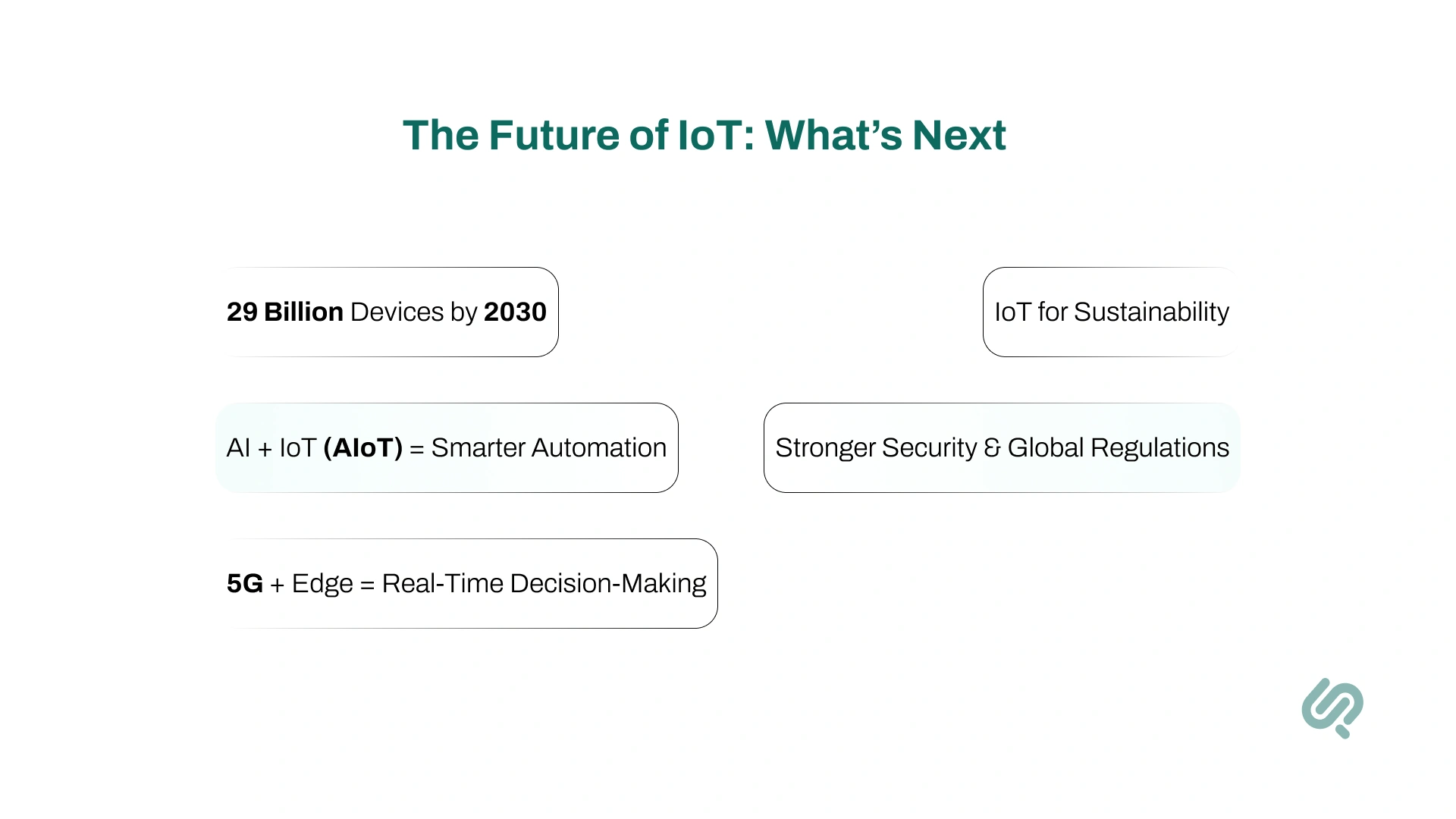
The number of IoT devices is expected to reach nearly 29 billion by 2030, equal to three devices per person.
Cheaper sensors, chips, and connectivity are fueling this surge. Everyday items, from clothing to roads, are becoming connected devices.
With this growth comes a flood of IoT data; organizations that can store, process, and analyze it efficiently will gain a powerful competitive edge through automation and insights.
The fusion of AI and IoT (AIoT) turns sensor networks into intelligent systems. Machine-learning models now run directly on edge devices, enabling real-time decisions
AI-driven security cameras, predictive-maintenance sensors, and voice assistants that learn user behavior. Generative AI will soon help IoT systems self-optimize and explain their own alerts.
In short, AI provides the brain while IoT provides the senses, powering a new era of autonomous systems.
Edge computing moves data processing closer to where it’s generated on local gateways or devices to reduce latency and network strain.
This is essential for time-critical use cases like connected cars or industrial automation. Meanwhile, 5G networks deliver ultra-low latency and high bandwidth, supporting millions of simultaneous IoT connections.
Together, 5G + edge computing will enable real-time city systems, autonomous fleets, and large-scale IoT deployments worldwide.
The Internet of Medical Things (IoMT) is revolutionizing healthcare with continuous, remote patient monitoring.
Expect more wearables and implantable sensors measuring heart rate, blood pressure, and glucose levels in real time.
Consumer smart devices will integrate health and fitness data across platforms. Your smartwatch could soon talk to your smart home to adjust the temperature after workouts.
AI-powered analytics will transform this IoT data into early-warning systems for preventive healthcare.
In manufacturing and logistics, Industrial IoT (IIoT) is entering a new phase.
Digital twins will simulate production lines and city systems using real-time sensor data, improving planning and maintenance.
IoT will also integrate with blockchain for secure, traceable supply-chain monitoring. Businesses are consolidating onto unified IoT platforms market projected to hit $7.3 billion by 2028, as they seek scalable, centralized control over connected assets.
As IoT expands, cybersecurity is becoming a core focus. Governments are introducing rules that ban default passwords and require disclosure of device update lifespans.
Future IoT networks will adopt a zero-trust architecture and utilize AI-based anomaly detection to flag threats automatically.
Technologies like blockchain may also secure device identity and ensure data integrity across multi-party environments.
Sustainability is emerging as a major IoT driver. IoT sensors now monitor air and water quality, predict natural disasters, and optimize agriculture for reduced water and energy use.
The industry itself is going greener with battery-free IoT devices that harvest solar or radio energy.
Smart grids and smart cities will continue using IoT to cut waste, reduce emissions, and create cleaner, more efficient environments.
The Industrial Internet of Things (IIoT) brings IoT technology into factories, plants, and large-scale operations, connecting machines, sensors, and systems to share real-time data.
It’s revolutionizing how industries produce, maintain, and deliver by turning traditional operations into intelligent, data-driven ecosystems.
In short, IIoT is making industries more efficient, sustainable, and responsive, transforming physical operations into connected, intelligent systems.
Unlike broad technology trends, this section focuses on practical applications and real-world IoT software ideas that are expected to see high demand in 2026.
These are ideal for those looking to build innovative platforms or products based on user needs, regulatory changes, and emerging technologies.
Each idea reflects actionable opportunities based on current gaps, technological maturity, and rising market interest.
A platform to securely onboard, authenticate, and manage IoT devices using decentralized technologies like blockchain or DIDs.
Why to Build:
With billions of devices coming online, centralized systems are struggling with scalability and security. Regulatory pressure for privacy and transparency is increasing across sectors.
Technologies:
Blockchain (IOTA, Ethereum, Hyperledger), DIDs, smart contracts, public key infrastructure (PKI)
Use Cases / Apps:
A mobile/web app that allows users to control and automate smart home devices from multiple brands through one interface.
Why to Build:
Users face fragmented experiences due to ecosystem lock-in. A neutral control layer adds value by simplifying automation and boosting interoperability.
Technologies:
Matter protocol, Zigbee, Wi-Fi/BLE, Google Home SDK, Alexa Skills Kit
Use Cases / Apps:
Description:
A software solution to manage energy usage, storage, and generation across microgrids using real-time data from sensors.
Why to Build:
Microgrids are becoming key in remote areas, smart campuses, and industrial zones. Energy monitoring and optimization is a core sustainability and cost-saving goal.
Technologies:
IoT sensors, edge analytics, solar inverters, energy APIs, MQTT, Modbus
Use Cases / Apps:
A plug-and-play platform for SMBs to monitor machinery health, detect anomalies, and schedule maintenance before failure.
Why to Build:
Small industries lack access to complex enterprise solutions. A subscription-based predictive platform can serve vast underserved markets.
Technologies:
Vibration sensors, AI/ML models, edge computing, cloud dashboards (e.g., AWS IoT, Azure IoT Hub)
Use Cases / Apps:
IoT-enabled tracking software that provides not just GPS location but also environmental data like temperature, humidity, and shock.
Why to Build:
Industries like pharma and food logistics require condition-aware tracking to meet compliance and reduce loss during transit.
Technologies:
GPS modules, environmental sensors (temperature, humidity, motion), LTE/LoRaWAN, cloud storage, alert engines
Use Cases / Apps:
A drag-and-drop platform that enables users to build and deploy custom IoT workflows, dashboards, and automation logic without coding.
Why to Build:
There’s high demand among startups, SMEs, and internal teams to quickly test IoT ideas without engineering support.
Technologies:
Node-based visual editors, prebuilt IoT components, REST/MQTT integrations, Firebase, WebSockets
Use Cases / Apps:
IoT software that collects environmental data and uses AI to identify and predict hazards like wildfires, floods, or pollution.
Why to Build:
Climate risk is growing. Cities, governments, and private infrastructure want early-warning systems for public safety and compliance.
Technologies:
Edge AI chips, air quality and weather sensors, computer vision (for fire/smoke), satellite data APIs
Use Cases / Apps:
The Internet of Things (IoT) is reshaping how businesses, governments, and individuals interact with the world.
From smart homes and connected cars to industrial automation and healthcare innovation, IoT has become a cornerstone of digital transformation.
However, to fully realize its potential, Internet of Things companies must balance innovation with robust security, data governance, and interoperability strategies.
As AI, 5G, and edge computing continue to mature, the IoT ecosystem will evolve from data-driven insights to autonomous decision-making, driving efficiency, sustainability, and smarter living across every sector.



Ameena is a content writer with a background in International Relations, blending academic insight with SEO-driven writing experience. She has written extensively in the academic space and contributed blog content for various platforms.
Her interests lie in human rights, conflict resolution, and emerging technologies in global policy. Outside of work, she enjoys reading fiction, exploring AI as a hobby, and learning how digital systems shape society.