
.webp)
.webp)
.webp)
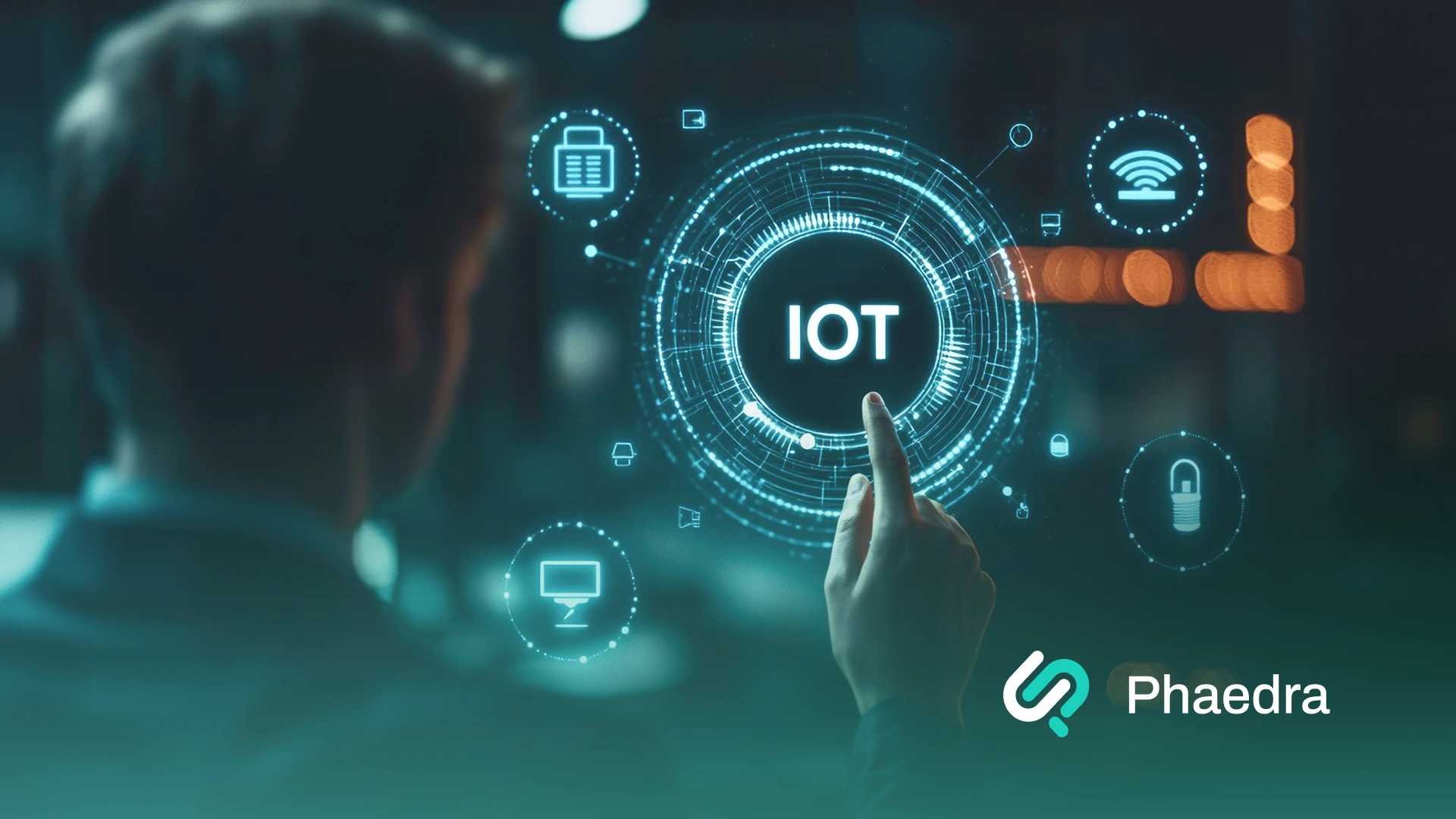






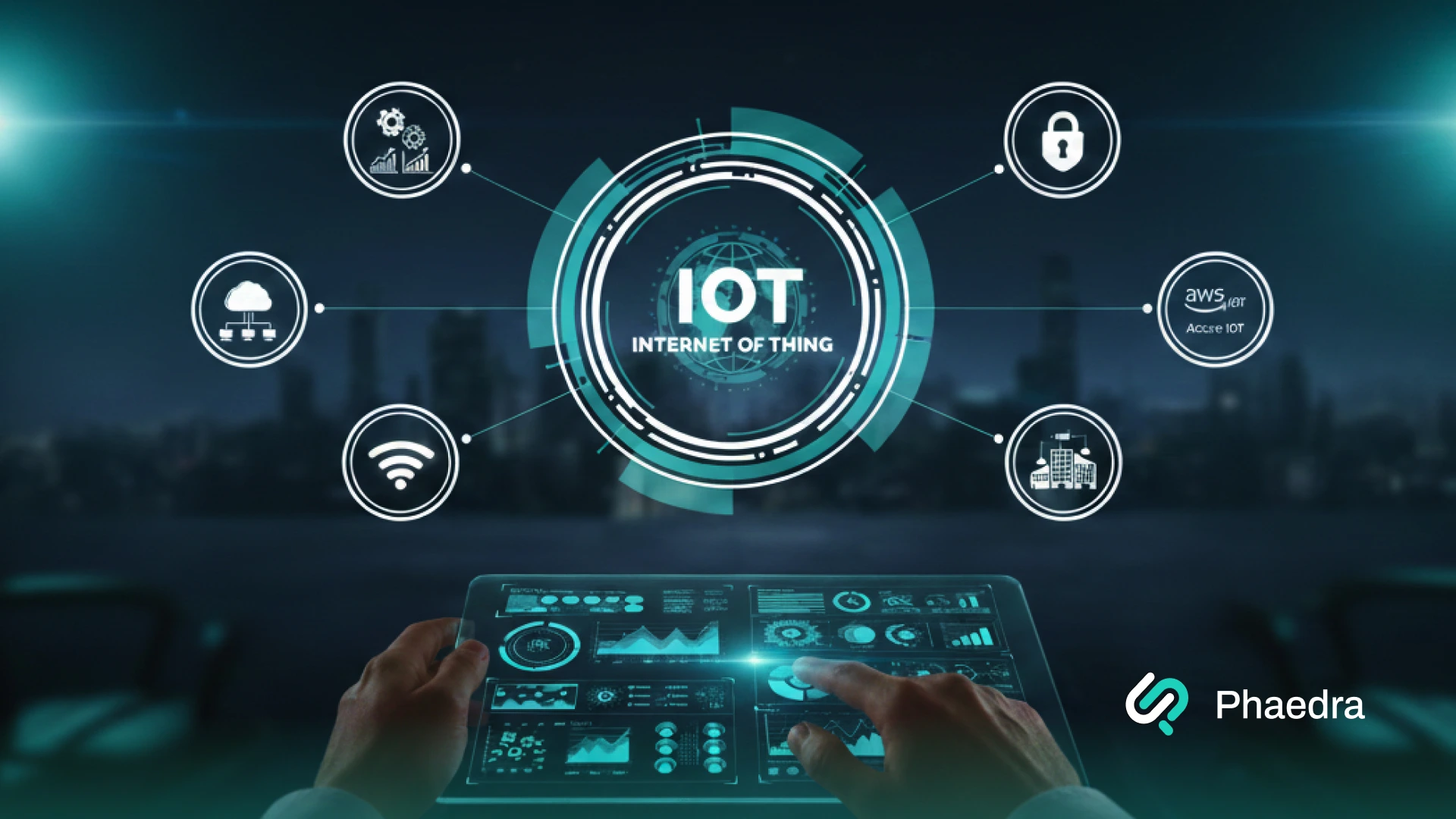
The Internet of Things (IoT) refers to a growing network of physical devices, such as sensors, machines, smart home devices, wearables, and industrial equipment, that are embedded with technology to collect data, communicate with each other, and exchange data over the internet.
These connected devices allow businesses to monitor systems, track performance, and make informed decisions in real time, improving efficiency and reducing costs.
From smart homes to IoT automation solutions to enterprise-grade industrial systems, IoT is transforming how users interact with both their environments and the services they use.
It enables companies to optimize user flows, support remote operations, and automate key processes based on live data.
For example, predictive analytics from sensor data can help prevent equipment failures before they happen, while over-the-air updates ensure that deployed devices stay secure and current.
IoT adoption is accelerating across all industries. The number of connected IoT devices surged from about 10.3 billion in 2018 to a projected 25 billion by 2025. (1)
In 2022 alone, these systems generated around 86 petabytes of data, with estimates predicting over 1,100 petabytes per year by 2027.
This scale of data generation is enabling more powerful IoT solutions, with advanced decision-making, remote monitoring, and business use case modeling becoming the norm.
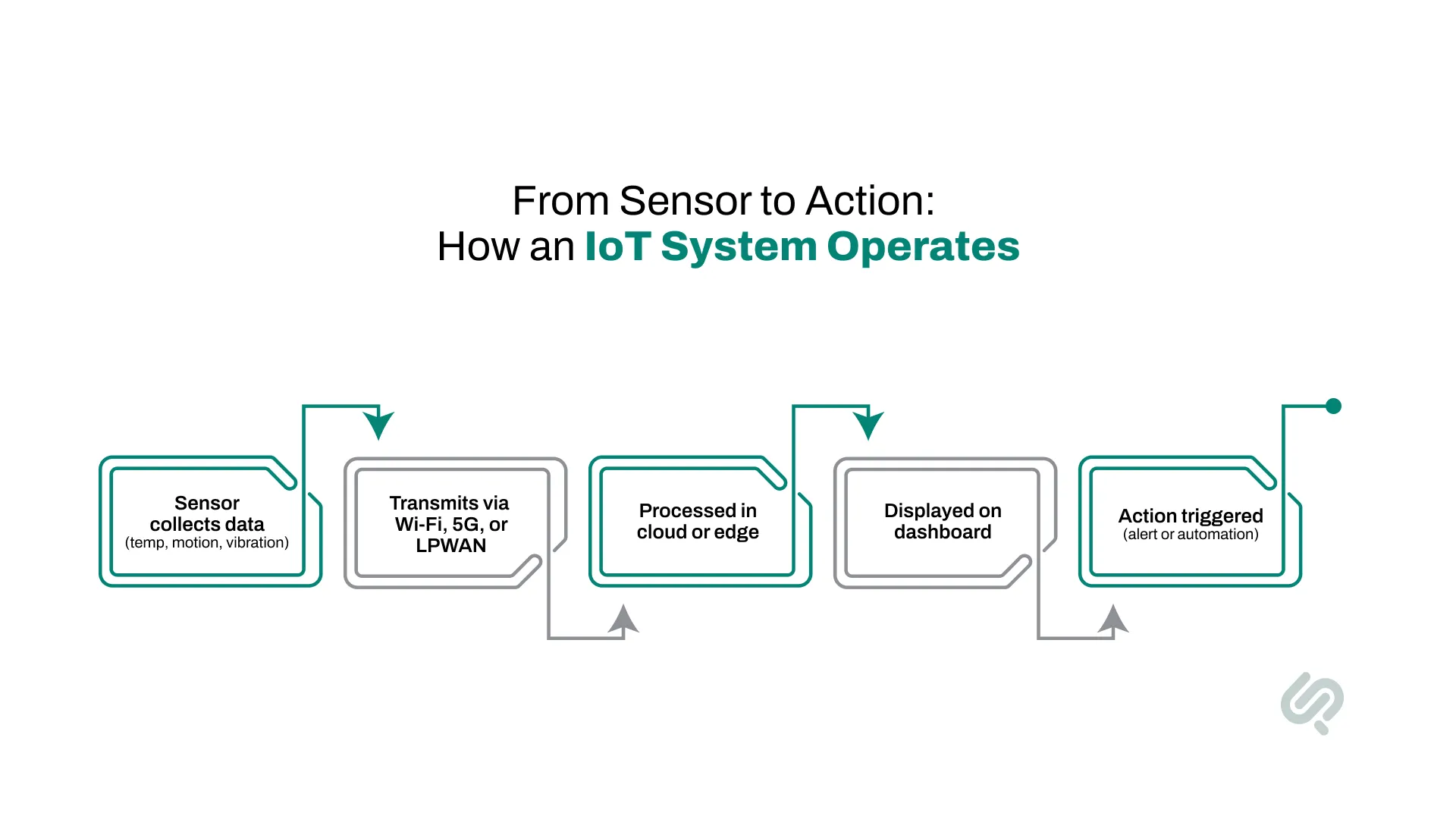
A typical IoT system connects devices via Wi-Fi, Bluetooth, cellular (4G/5G), or low-power wide-area networks (LPWAN).
These networks transmit data to a cloud or edge-based platform where it is processed, stored, and analyzed.
Custom IoT software solutions play a key role in managing this data, enabling businesses to tailor features like device control, data visualization, and system integration to their specific needs.
From there, businesses can access dashboards, set automation rules, and trigger alerts or actions based on predefined thresholds or AI models.
This ecosystem supports everything from real-time data analytics to predictive maintenance and customer experience enhancements
For any successful IoT deployment, understanding its building blocks is essential.
Whether you're working with an IoT solutions provider or planning to scale internally, every system relies on key components that drive connectivity, data flow, and decision-making.
These elements form the backbone of end-to-end IoT solutions used in smart factories, healthcare, logistics, and more.
Key components include:
Collect data from physical environments (e.g., temperature, motion, vibration) — the foundation of any IoT solution for manufacturing or industrial use.
Technologies like Wi-Fi, 5G, LPWAN, and Bluetooth connect devices to the cloud or edge systems, which are crucial for reliable communication in IoT development solutions.
Processes, stores, and analyzes real-time data to generate insights, helping any IoT solutions company turn raw data into actions.
Dashboards, alerts, and user interfaces deliver real-time monitoring and control, critical for IoT solutions for businesses to improve operations.
Secure provisioning, encryption, and updates ensure long-term reliability and safety, a key factor in IoT deployment success.
These components work together to create scalable and effective IoT solutions that empower businesses to automate processes, improve safety, and unlock new value streams.
To fully unlock the potential of the Internet of Things, businesses need more than just connected devices; they need smart, secure, and scalable systems.
Whether in industrial automation, healthcare, or smart cities, these features are what make IoT solutions successful across real-world applications.
Core features include:
Supports a wide range of IoT network options, including Wi-Fi, 5G, Bluetooth, and Internet of Things (IoT) protocols like MQTT and CoAP for reliable data exchange.
Gathers sensor data instantly, enabling faster decisions, common in Internet of Things examples like smart factories and supply chains.
Built to grow from pilot to full-scale deployment, critical for Internet of Things companies looking to serve thousands of devices or sites.
Encryption, access control, and secure boot protect against threats, especially in sectors like the Internet of Medical Things (IoMT).
Easy-to-use interfaces and rule-based workflows make systems flexible for different business needs, from agriculture to logistics.
An effective IoT solution ensures your connected devices don’t just collect data—but deliver insight, value, and business impact.
Connecting IoT devices to the internet is essential for making IoT systems work. Here are the main connectivity technologies used in different types of IoT software solutions:
Wi‑Fi is widely used in smart home devices and business environments. It’s reliable for indoor use and supports high-speed data. About 31% of IoT connections run on Wi‑Fi.
Newer versions like Wi‑Fi 6 offer better performance in crowded spaces and help devices communicate data faster.
Cellular networks allow IoT devices to work across large areas. 5G is ideal for real-time use cases like factory automation, connected vehicles, and remote monitoring. NB-IoT and LTE-M are great for low-power devices that need to send small amounts of data over long distances.
These options are often used in business use case modeling, where speed and coverage are critical.
Low-Power Wide-Area Networks are designed for long-range and low-energy use. These are often found in agriculture, logistics, and smart city projects.
They’re perfect for sensors that need to collect data over large areas while saving battery. Bluetooth Low Energy (BLE) is another option for short-range needs, like wearables and health devices, where users interact directly with the system.
Most IoT projects use a combination of these technologies. For example, a smart building might use Wi‑Fi for indoor monitoring, BLE for tracking assets, and 5G for mobile equipment.
Choosing the right setup depends on range, power usage, data needs, and data security.
The right mix ensures a robust solution that enables real-time decision making, automation, and efficient system performance.
IoT security solutions come in many forms depending on where and how they’re used. From homes to factories, each type is designed to meet specific needs and goals.

Smart home devices are designed to enhance comfort, automation, and convenience in everyday living environments. These solutions focus on improving the user experience and energy efficiency.
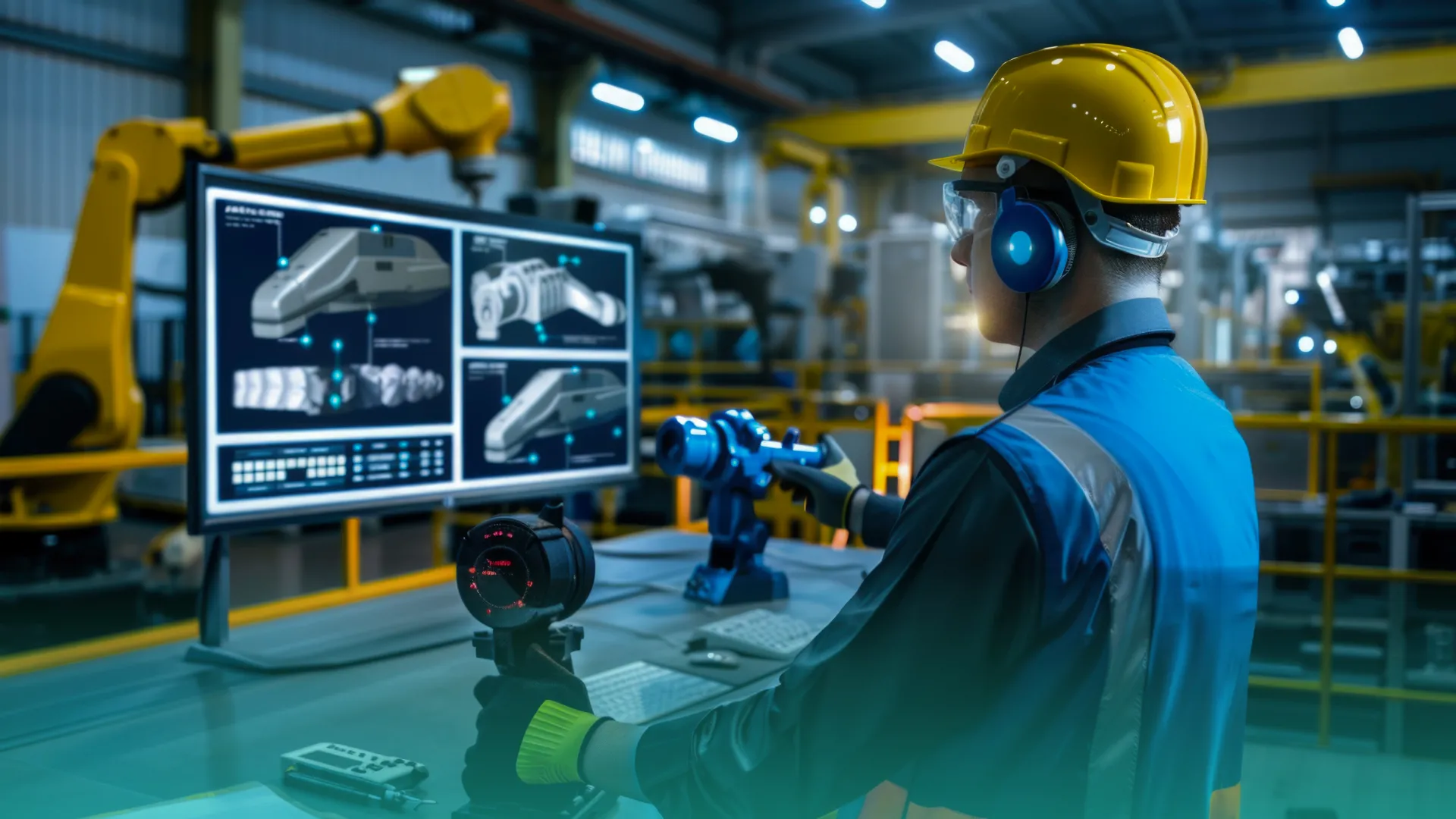
Industrial IoT connects machines, sensors, and systems in manufacturing and production environments to enhance performance and reduce downtime.

IoT platform solutions in healthcare enable medical professionals and patients to benefit from smarter monitoring and faster response.
Retailers and logistics companies use retail IoT solution provider devices to streamline inventory, improve delivery accuracy, and enhance customer experience.
IoT in agriculture helps farmers monitor field conditions, automate operations, and improve crop health with minimal effort.

Cities are using IoT to build smarter infrastructure and deliver efficient public services to citizens.
Some IoT solutions are tailored for mobility and health tracking, improving both customer experience and safety.
Adopting IoT solutions brings real, measurable value to businesses across industries.
From reducing costs to improving safety and creating new services, here’s how IoT systems help organizations grow and stay competitive.
IoT devices help businesses automate tasks and monitor operations more effectively.
For example, predictive maintenance uses sensors to detect machine problems before they cause breakdowns, which can reduce downtime by up to 30%.
Companies that use IoT often respond to issues 20–30% faster and reduce waste by 15–25%. These benefits are key for businesses looking to improve workflows and deliver more efficient, robust solutions. (2)
IoT systems help reduce costs by optimizing energy use, labor, and resources. For example, smart home devices and office buildings can automatically control heating and lighting to save electricity.
In warehouses, real-time data from connected sensors can prevent inventory loss. Most companies report that IoT investments pay off within about 3 years, making the return on investment (ROI) both strong and predictable.
With IoT, businesses can collect data continuously from equipment, vehicles, or buildings.
This allows managers to see what's happening in real time and make informed decisions. In manufacturing, IoT solutions help monitor machinery, detect performance issues early, and optimize production lines to reduce downtime.
Whether it’s identifying a bottleneck or adjusting schedules, data-driven insights from IoT connectivity make operations smoother and smarter.
IoT opens the door to new business models and services. For example, manufacturers can offer “equipment-as-a-service,” charging customers based on usage tracked through remote monitoring.
Connected products also improve the customer experience by sending usage data back to the company for personalized service or proactive maintenance.
IoT sensors and cameras help monitor workspaces and public areas for safety risks. Wearable IoT devices can track worker health in hazardous environments.
In stores or offices, sensors can detect occupancy or send alerts during emergencies, helping protect both people and property.
Companies using IoT often move faster than their competitors. Surveys show that 47% of organizations plan to increase their IoT investment, even in uncertain times, because it drives real results.
More than half of current IoT adopters plan to boost their budgets in 2024. Early use of IoT technology solutions gives businesses the edge in innovation, efficiency, and customer value.
Custom IoT solutions are already making a big impact across industries by solving real business problems. Here are some practical examples of how it's being used today.
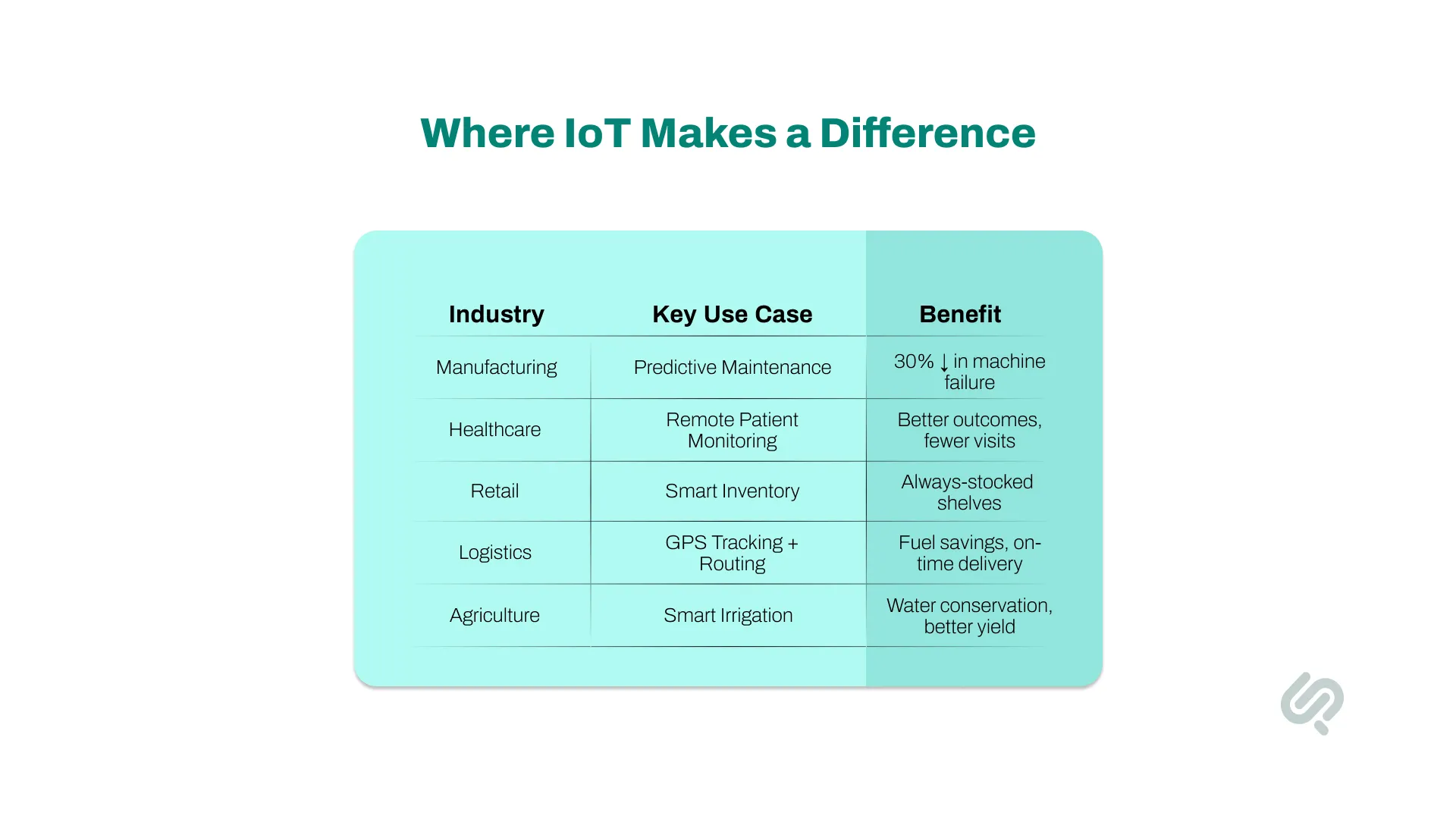
IoT is transforming manufacturing through automation, efficiency, and intelligent systems.
IoT in healthcare improves patient monitoring, asset tracking, and operational safety.
Retailers use IoT to manage stock, analyze foot traffic, and speed up the checkout process.
IoT helps logistics teams track assets, improve routes, and maintain product quality.
IoT boosts farming productivity by monitoring the environment and automating crop care.
Energy providers use IoT for smart infrastructure, efficiency, and safety.
IoT enables cities and buildings to operate smarter and more sustainably.
Setting up an IoT system takes careful planning and clear goals. From choosing the right devices to managing data, each step plays a key role in success.
Before starting any IoT project, it's important to understand what you're trying to solve. This step ensures your solution fits real-world needs and delivers clear value to your users.
Every IoT solution has three main parts: the devices, the network, and the backend system. Choosing the right setup helps ensure smooth performance and fast response.
Once your devices are chosen, they need to be connected, updated, and protected. Device management is key for long-term reliability.
The real value of an IoT solution for enterprises comes from using the data your devices collect. With the right tools, you can spot trends, make faster decisions, and act before problems happen.
Launching with a small, focused project lets you test your system before expanding it. This reduces risk and proves ROI early.
Ongoing support keeps your IoT system working well. Just like any other tech, it needs updates and regular checks to stay secure and effective.
As IoT systems grow, so do the risks related to data protection and device safety. Businesses need to address these challenges to build secure and reliable solutions.
Every new IoT device is a potential entry point for cyberattacks. Businesses must enforce strong security: device authentication, encrypted data in transit, and secure boot/firmware.
Data privacy is critical too, especially when IoT collects personal or sensitive information (e.g., patient data in healthcare IoT). Standards like HIPAA (health) or GDPR (EU) often apply to IoT data.
Real-world IoT deployments face connectivity gaps and compatibility hurdles.
For example, many field sites have poor coverage, and hundreds of IoT vendors mean ecosystems can be fragmented. Ensuring all devices communicate reliably (e.g., via the right network technology) is a common challenge.
IoT solutions generate vast amounts of unstructured data (logs, sensor streams, images). Processing and organizing this data for analysis can be difficult.
Companies need scalable databases and analytics pipelines. Handling unstructured data and ensuring data quality are major hurdles.
IoT projects can be expensive to deploy (sensors, networks, integration). Businesses often struggle to quantify ROI before committing. Upfront costs and the complexity of integrating IoT with legacy systems can slow adoption
Finally, change management is a factor. Employees and customers need to see the value and trust of IoT systems. Providing a good user experience (intuitive interfaces, clear data insights) is essential for project success.
IoT technology is advancing quickly, bringing new possibilities for businesses. From smarter devices to faster networks, these trends are shaping the future of connected systems.
Artificial intelligence is now being combined with IoT to make devices smarter. This allows systems to detect issues early and respond automatically, like stopping a machine when it senses a fault.
For example, a smart factory can use Edge AI (3) to spot a problem in a motor before it causes downtime.
The rollout of 5G brings faster speeds and lower delays, making it ideal for handling real-time data from many IoT sensors. In the future, 6G and new network features will make IoT systems even more powerful and flexible.
For instance, IoT solutions for smart cities use 5G to manage traffic lights and monitor road safety in real time.
With edge computing, data is processed closer to where it’s collected, right on the device or nearby. This reduces delays and saves bandwidth, which is especially useful in time-sensitive situations.
A good example is an autonomous vehicle that processes traffic and road data instantly to make quick driving decisions.
As more devices connect to the internet, data security becomes more important. New tools like blockchain and hardware-based IDs are being used to protect device identity and prevent tampering.
For example, hospitals are adopting blockchain systems to keep patient data secure and unchanged.
IoT also plays a big role in helping businesses go green. Connected sensors and meters track energy use and help reduce waste.
Smart buildings, for example, use IoT-powered meters to lower electricity use and support their environmental goals.
The pandemic accelerated the use of the Internet of healthcare, especially for remote patient monitoring. Now, the focus is shifting toward telehealth and personalized care.
Patients with chronic conditions can wear smart devices to track vital signs and share real-time updates with doctors.
IoT is rapidly transforming how businesses operate, from improving efficiency to creating smarter customer experiences.
Whether it's tracking assets, monitoring health, or automating processes, IoT makes real-time data actionable.
As more industries adopt connected solutions, the need for secure, scalable, and user-friendly systems continues to grow.
While challenges like cost and security exist, they can be managed with the right IoT integration solutions, planning, and support.
The future of IoT looks promising with advances in AI, 5G, and edge computing. For businesses ready to innovate, IoT offers a practical path to long-term growth and smarter decision-making.



Ameena is a content writer with a background in International Relations, blending academic insight with SEO-driven writing experience. She has written extensively in the academic space and contributed blog content for various platforms.
Her interests lie in human rights, conflict resolution, and emerging technologies in global policy. Outside of work, she enjoys reading fiction, exploring AI as a hobby, and learning how digital systems shape society.