

.webp)

.webp)






.webp)
The Internet of Medical Things (IoMT) a specialized branch of the Internet of Things (IoT) is transforming how healthcare works.
By connecting smart medical devices, sensors, and hospital systems through secure networks, IoMT enables doctors to monitor patients in real time, predict risks earlier, and deliver personalized care anywhere.
In simple terms, IoMT turns traditional healthcare into connected, data-driven care.
From smartwatches that detect heart issues to hospital systems that automate critical alerts, it’s reshaping how we diagnose, treat, and manage health every day.
In this article, we’ll explore what Internet of things is? how the Internet of Things (IoT) is reshaping the future of healthcare, the types of IoMT devices, real-world examples, key benefits, top companies driving innovation, and what’s next for connected medicine.
The Internet of Things in the healthcare market is growing faster than almost any other tech sector.
An aging population, rising chronic diseases, and the demand for data-driven, preventive care continue to drive this momentum.
In the United States alone, IoT healthcare revenue is projected to exceed $8 billion, reflecting how hospitals, insurers, and startups are accepting healthcare IoT solutions to improve efficiency and patient care.
Leading Internet of Things healthcare companies like IBM, Cisco, Philips, GE, Microsoft, and Amazon are investing heavily in connected Internet of Medical Things devices and smart IoT platforms to gain a competitive edge.
As 4G and 5G connectivity improves and device costs drop, even developing and rural regions are experiencing rapid adoption of Internet of Things technologies for healthcare, transforming how medical systems operate worldwide.
The Internet of Things in healthcare is transforming how doctors, hospitals, and patients connect.
From real-time monitoring to data-driven insights, it’s improving safety, efficiency, and patient care across the entire healthcare industry.
.webp)
IoT healthcare devices such as smart wearables, sensors, and connected monitors track patient vitals 24/7.
Using secure IoT networks and standardized Internet of Things (IoT) protocols, these systems ensure reliable, real-time data transmission to doctors and hospital dashboards.
Physicians receive instant alerts if readings like blood pressure or glucose levels go beyond safe ranges, allowing for immediate action.
This kind of Internet of Things in healthcare market monitoring helps detect problems early, reduces hospital readmissions by up to 25%, and improves IoT in patient care examples like chronic disease management and remote recovery programs.
With real-time health data, doctors can personalize treatment plans. For instance, smart inhalers and glucose monitors help track usage and medication timing for better chronic disease management.
Hospitals using IoT sensors for hygiene and safety have seen infection rates drop by nearly 60%, while smart beds help prevent pressure ulcers and falls, improving comfort and care quality.
IoT also makes healthcare operations faster and more efficient. Using RFID and tracking sensors, hospitals can easily locate medical equipment, reduce delays, and avoid misplaced supplies.
Automated data collection means fewer errors and less paperwork, as patient readings go straight into electronic health records (EHRs).
On average, IoT-based healthcare systems can lower operational costs by around 26%.
Wearable devices and home monitoring systems give patients control over their own health. They can track their vital signs, sleep, and activity using smartphone apps, and share the results directly with healthcare providers.
Around 70% of adults say they are open to using smart healthcare tools to manage their well-being, making care more personal and collaborative.
Continuous data collection from IoT healthcare devices allows providers to analyze trends and predict future risks.
For example, predictive analytics can help identify a rise in flu symptoms in certain regions or warn doctors before a patient’s condition worsens. This proactive, data-driven approach improves long-term health outcomes and enables smarter population health management.
The Internet of Things (IoT) in healthcare is revolutionizing how care is delivered. From remote patient monitoring to smart hospital infrastructure, connected devices are enhancing patient care, improving efficiency, and reducing costs.
Let’s take a closer look at how IoT is being applied in healthcare.
Remote patient monitoring (RPM) is one of the most impactful uses of IoT in healthcare. Wearable devices like smartwatches, fitness bands, and patches track vital health data such as heart rate, blood pressure, glucose levels, and oxygen saturation.
This data is sent in real-time to healthcare providers, allowing for immediate intervention if needed.
For example, an IoT-enabled cardiac monitor can detect arrhythmias and alert the medical team right away.
The RPM market is booming, projected to grow from $24.39 billion in 2023 to $56.94 billion by 2029 as more people use IoT healthcare devices for monitoring. Over 70 million Americans are expected to rely on IoT monitoring by 2024. (2)
IoT devices like connected glucometers and smart insulin pens help manage chronic diseases by automatically logging readings and improving diabetes control. Smart patches and ingestible sensors provide continuous tracking, preventing emergencies by adjusting alerts and medication doses.
Fitness trackers and smartwatches are now used for medical purposes. The global wearable medical device market is expected to grow from $103.04 billion in 2025 to $324.73 billion by 2032. (3)
These wearables now include devices like ECG monitors, pulse oximeters, and blood pressure sensors.
Some hospitals use IoT-enabled eyewear to display patient vitals or checklists for healthcare workers. Smart rings monitor body temperature and oxygen levels, providing early fever detection to prevent infection.
Hospitals are becoming “smart” with IoT devices, making their environments safer and more efficient.
Modern hospital beds are equipped with pressure sensors and vital sign monitors, allowing them to automatically adjust for comfort and to prevent issues like bedsores or falls. These beds alert staff if a patient is attempting to leave the bed, improving safety.
RFID and Bluetooth tags on equipment like wheelchairs, stretchers, and surgical tools allow hospitals to track their assets in real-time.
This reduces lost equipment and ensures important items, such as vaccines, stay within the proper temperature range. One study found that IoT asset tracking could reduce equipment loss by up to 35%.
IoT-enabled beacons and smart badges track staff and patient locations, optimizing hospital workflows. For instance, IoT hand-sanitizer stations automatically log compliance and have helped hospitals reduce infection rates by 60%.
Smart pill dispensers and connected inhalers track medication usage and alert patients and doctors if doses are missed, improving medication adherence by up to a great extent.
IoT also powers telemedicine, enabling doctors to perform virtual check-ups and offer care remotely. High-resolution cameras and connected stethoscopes allow clinicians to conduct detailed online consultations.
Patients can use smartphone apps linked to IoT sensors (like digital otoscopes or retinal cameras) to send images to specialists for diagnosis.
Thanks to IoT and 5G networks, even remote clinics can now stream real-time health data to urban centers for instant analysis. This is making healthcare more accessible, especially in rural or underserved areas, and expanding services to developing nations.
As hospitals adopt Internet of Things (IoT) technologies, the focus is shifting from manual operations to connected, data-driven systems.
These innovations are transforming traditional facilities into smart healthcare environments, improving safety, efficiency, and patient care.
Hospitals are using IoT devices to monitor temperature, lighting, and energy usage across departments.
This ensures stable environments for patient comfort and equipment performance, while reducing costs, a major trend in the growing Internet of Things in the healthcare market.
IoT sensors and RFID tags help track wheelchairs, ventilators, and other medical assets in real time.
These healthcare IoT solutions prevent equipment loss, speed up response times, and improve operational efficiency inside large hospitals.
Smart air-quality systems, connected hand-hygiene sensors, and motion detectors are classic Internet of Things healthcare examples that improve safety.
Hospitals using such IoT systems have reported fewer infections, faster emergency alerts, and improved staff accountability.
Through the Internet of Medical Things, smart beds, connected monitors, and wearable devices help doctors monitor patients remotely.
This IoT in patient care example improves comfort and allows immediate action when vital signs change, reducing complications.
IoT-enabled hospital equipment — like MRI scanners and infusion pumps — can now alert technicians before breakdowns occur.
Using secure IoT platforms and IoT networks, hospitals perform predictive maintenance that minimizes downtime and enhances patient safety.
Leading Internet of Things healthcare companies such as Philips, Siemens, and GE Healthcare are introducing intelligent hospital management system powered by AI.
These innovations optimize resource usage, automate diagnostics, and enable better decision-making through data analytics.
Many hospitals partner with Medical IoT consultancy firms to integrate connected systems securely.
These experts help plan network infrastructure, comply with regulations, and ensure seamless interoperability between devices and hospital IT systems.
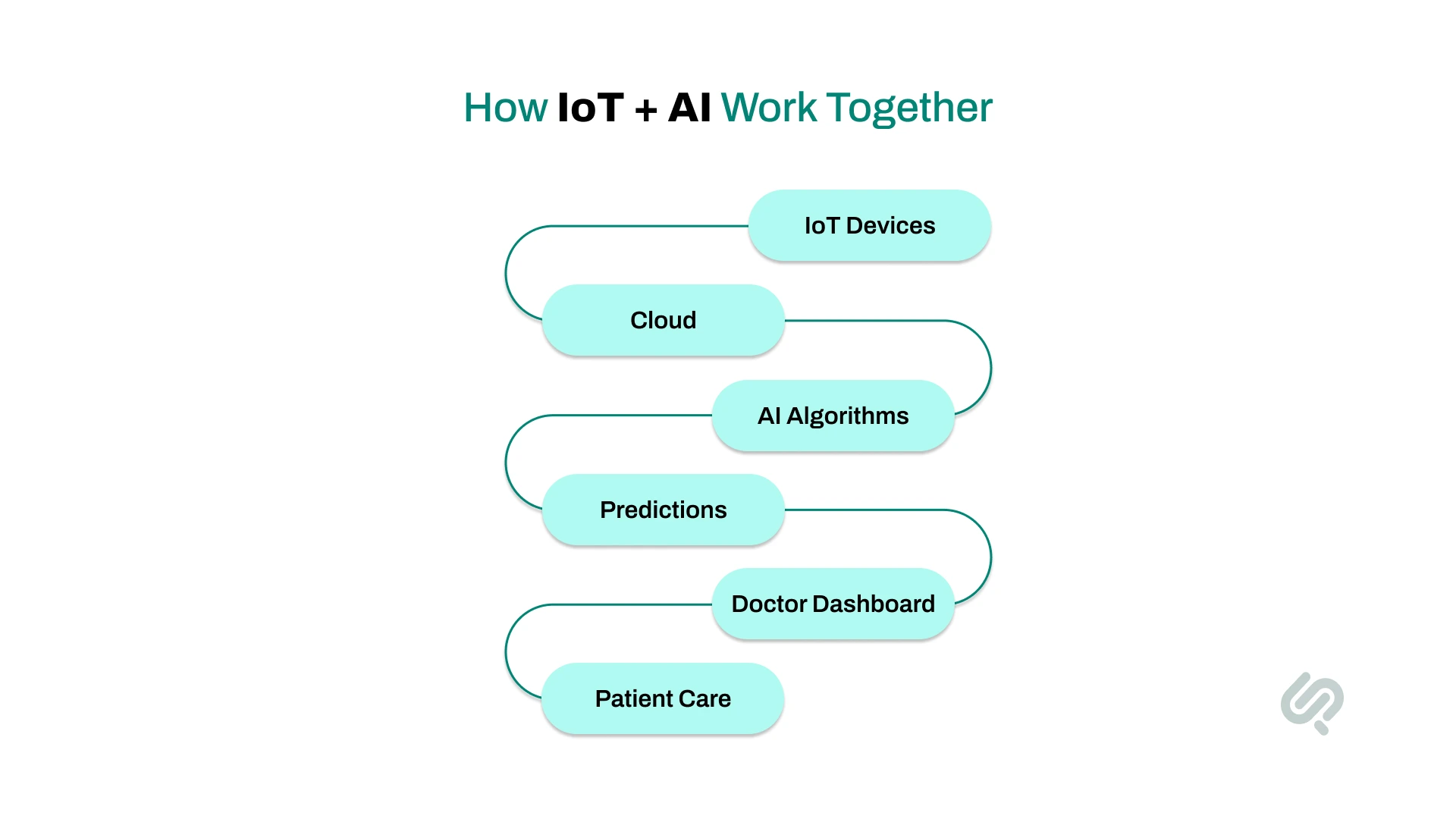
IoT healthcare devices produce massive amounts of real-time health data every second, from wearables, sensors, and hospital systems.
To make sense of it all, artificial intelligence (AI) and data analytics are essential. Together, they help doctors, hospitals, and researchers uncover insights that humans alone might miss.

Cyberattacks can now go beyond stealing data. They can directly impact patient lives.
For example, hackers could potentially change drug dosage levels in infusion pumps or tamper with connected medical devices. Incidents like these show why data security in healthcare must be treated as a critical part of patient care.
Many of these risks come from older systems and rushed manufacturing. Some devices reach the market without proper cybersecurity testing, leaving them open to attacks like ransomware or unauthorized access.
To safeguard connected systems, healthcare organizations should:
The future of IoT in healthcare lies in its connection with artificial intelligence (AI) and predictive analytics.
Together, they’re transforming healthcare from treating illnesses after they appear to preventing them before they start.
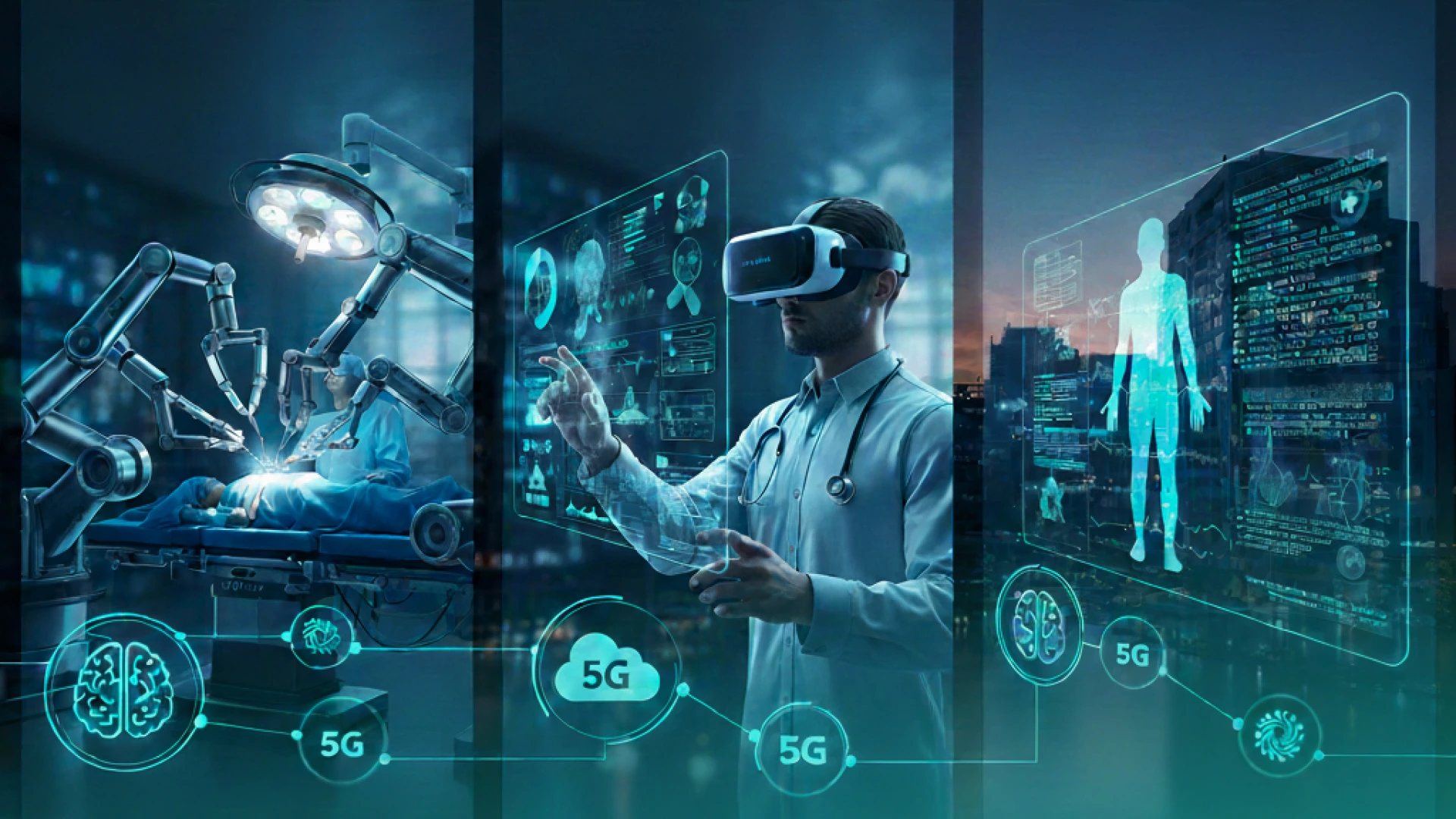
The Internet of Things (IoT) is revolutionizing healthcare by turning real-time data into smarter, faster, and more personalized care.
Through connected devices, AI, and predictive analytics, healthcare is shifting from reactive treatments to proactive prevention.
Patients benefit from continuous monitoring, while hospitals achieve higher efficiency and lower costs. Yet, this progress must be balanced with strong data security, privacy, and interoperability measures.
As 5G and emerging IoT healthcare technologies advance, the future of medicine will be intelligent, connected, and centered around patient well-being.



Ameena is a content writer with a background in International Relations, blending academic insight with SEO-driven writing experience. She has written extensively in the academic space and contributed blog content for various platforms.
Her interests lie in human rights, conflict resolution, and emerging technologies in global policy. Outside of work, she enjoys reading fiction, exploring AI as a hobby, and learning how digital systems shape society.