

.webp)


.webp)
.webp)
.webp)





Programming languages can affect how much you earn, but the highest-paying options are not always the most widely used ones. Languages like Rust, Go, Python, and TypeScript stand out because they are tied to high-value work in systems programming, cloud infrastructure, AI, automation, and modern product development.
Some languages pay more because they are rare and specialized. Others may offer a slightly lower salary ceiling but far more job opportunities because employer demand is stronger. That is why it makes more sense to compare programming languages by both earning potential and market demand, not salary alone.
This guide ranks the highest-paying programming languages and helps you choose the right one based on salary, demand, and career path.
This ranking is based on more than salary alone. We looked at how each language performs across pay, demand, and real-world career value in 2026.
Ready to find out what programming languages can help you earn big bucks as a developer?
Let’s look at the top 20 highest-paying programming languages in 2026 below!
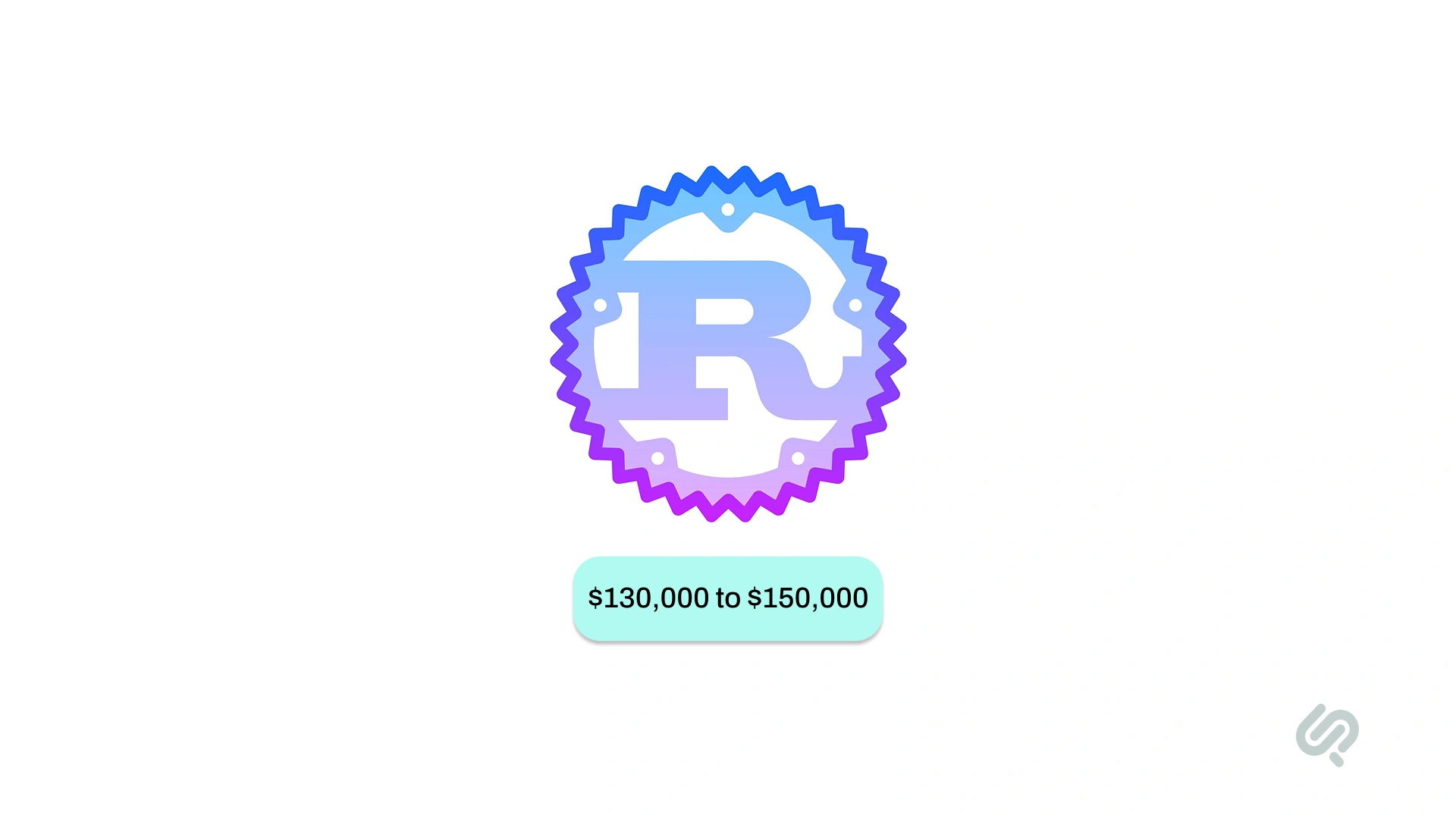
Average salary / typical range: Around $130,000 to $150,000 per year
Best for: Systems programming, embedded systems, web infrastructure
Why it pays well: Rust is used in performance-critical work where memory safety and reliability matter. That makes it valuable for system-level software and other high-stakes technical environments.
Demand note: Rust remains a strong specialist language with growing demand in infrastructure, security, and performance-focused development.
Who should learn it: Developers who want to work on low-level systems, performance-heavy products, or advanced backend engineering
.webp)
Average salary / typical range: Around $120,000 to $140,000 per year
Best for: Cloud computing, backend systems, microservices, scalable web applications
Why it pays well: Go is widely used for cloud platforms, distributed systems, and backend services that need to stay fast and efficient at scale.
Demand note: Demand stays strong because many companies use Go for modern infrastructure, backend services, and cloud-native development.
Who should learn it: Developers interested in backend engineering, DevOps-heavy environments, and cloud-based products.

Average salary / typical range: Around $115,000 to $135,000 per year
Best for: Data engineering, big data systems, enterprise platforms, functional programming
Why it pays well: Scala is often used in complex enterprise systems and data-heavy environments where scalability and advanced programming skills matter.
Demand note: Scala is more niche than many mainstream languages, but it stays valuable in enterprise and big data roles.
Who should learn it: Developers who want to work in data-intensive systems, large business platforms, or functional programming environments.

Average salary / typical range: Around $110,000 to $130,000 per year
Best for: Android app development, mobile products, enterprise apps
Why it pays well: Kotlin is central to modern Android development, and businesses continue to invest in mobile-first experiences and app modernization.
Demand note: Demand remains healthy because Kotlin is strongly tied to Android development and modern mobile engineering teams.
Who should learn it: Developers who want to build Android apps, mobile products, or modern Java-connected business applications.
Kotlin is used by over 60% of professional Android developers, which helps explain why it remains such a commercially valuable language for mobile product teams (2)
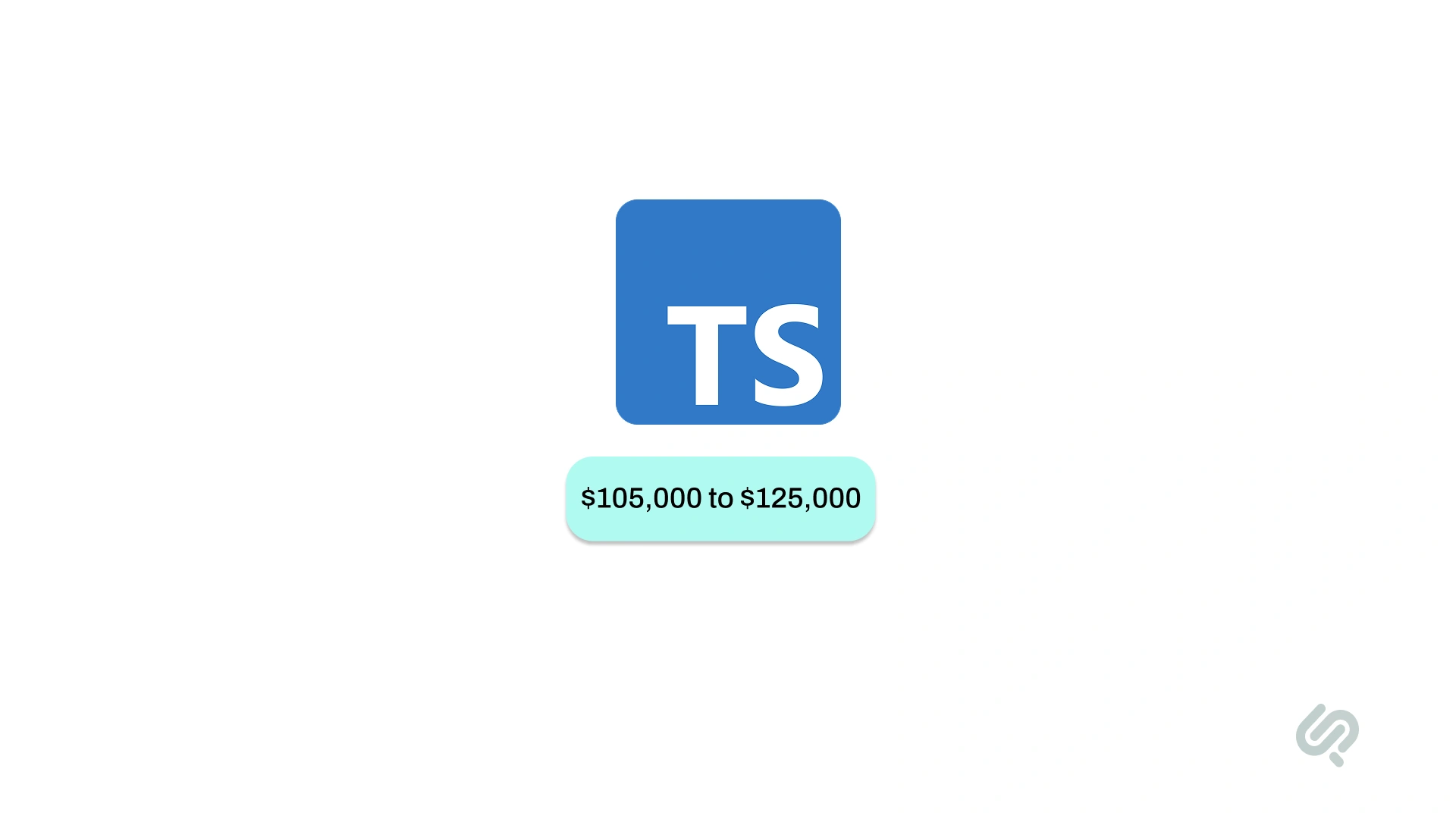
Average salary / typical range: Around $105,000 to $125,000 per year
Best for: Web apps, front-end development, full-stack applications, enterprise web platforms
Why it pays well: TypeScript is widely used in large-scale web projects where maintainability, cleaner code, and team collaboration matter.
Demand note: Demand is strong because TypeScript is now a core language for many modern web and SaaS teams.
Who should learn it: Developers who want to work on modern web applications, scalable front-end systems, or full-stack product teams.

Average salary / typical range: Around $100,000 to $120,000 per year
Best for: iOS development, macOS apps, Apple ecosystem products
Why it pays well: Swift is essential for businesses building products inside the Apple ecosystem, where specialized skills are still highly valued.
Demand note: Demand stays steady because iPhone and Apple-platform development remains important for many consumer and business apps.
Who should learn it: Developers who want to focus on iOS apps, Apple devices, and premium mobile product experiences.
Average salary / typical range: Around $95,000 to $115,000 per year
Best for: Smart contracts, blockchain products, decentralized applications
Why it pays well: Solidity is tied to blockchain development, where secure smart contract work requires specialized knowledge and carries higher technical risk.
Demand note: Demand is more niche and market-dependent than some other languages, but strong Solidity skills can still command premium pay.
Who should learn it: Developers who want to build blockchain products, smart contracts, or Web3-based applications.
Average salary / typical range: Around $95,000 to $115,000 per year
Best for: Web development, backend systems, rapid product builds, automation
Why it pays well: Ruby remains valuable in teams that want to build and ship web products quickly, especially with Ruby on Rails.
Demand note: Ruby is not as dominant as it once was, but demand remains stable in startups, product teams, and companies maintaining Rails-based systems.
Who should learn it: Developers who want to work on web products, startup environments, or fast-moving backend teams.
Average salary / typical range: Around $90,000 to $110,000 per year
Best for: AI, machine learning, data science, automation, backend development
Why it pays well: Python is heavily used in AI, data workflows, automation, and business tools, making it one of the most commercially valuable languages.
Demand note: Demand is very strong because Python is widely used across AI, fintech, analytics, cybersecurity, and software development.
Who should learn it: Developers who want broad career options across AI, automation, backend systems, and data-driven products.
Average salary / typical range: Around $85,000 to $105,000 per year
Best for: Front-end development, full-stack applications, web platforms, interactive user experiences
Why it pays well: JavaScript powers a huge share of modern web development, and developers who know strong frameworks and backend tooling remain highly valuable.
Demand note: Demand is consistently high because JavaScript is still essential for building modern websites, web apps, and many full-stack products.
Who should learn it: Developers who want to work in web development, full-stack engineering, or product-focused software teams.
.webp)
Average salary / typical range: Around $85,000 to $105,000 per year
Best for: SAP systems, enterprise software, financial and logistics platforms
Why it pays well: ABAP supports mission-critical SAP environments used by large organizations, and companies often pay more for developers who understand those systems well.
Demand note: Demand is specialized rather than broad, but ABAP remains valuable where SAP is deeply embedded in business operations.
Who should learn it: Developers who want to work in enterprise software, SAP ecosystems, or large business environments with complex internal systems.
Average salary / typical range: Around $80,000 to $100,000 per year
Best for: Databases, analytics, reporting, business intelligence, data management
Why it pays well: SQL is essential for working with structured data, and businesses across industries still rely on it for analytics, reporting, and core software operations.
Demand note: Demand remains steady because SQL is a foundational skill across software, data, and business intelligence roles.
Who should learn it: Developers, analysts, and data professionals who want to work with databases, reporting systems, or data-heavy applications.
Average salary / typical range: Around $80,000 to $100,000 per year
Best for: Enterprise applications, backend systems, Android development, cloud services
Why it pays well: Java is still a major language in enterprise software and large-scale systems where stability, scalability, and long-term maintainability matter.
Demand note: Demand stays strong because many industries still depend on Java for core business systems and large backend platforms.
Who should learn it: Developers who want stable opportunities in enterprise software, backend engineering, or large business applications.
Average salary / typical range: Around $75,000 to $95,000 per year
Best for: Game development, embedded systems, operating systems, performance-heavy software
Why it pays well: C and C++ are used in low-level and high-performance environments where speed, hardware access, and technical depth matter.
Demand note: Demand remains strong in areas like gaming, embedded devices, systems programming, and legacy software maintenance.
Who should learn it: Developers who want to work on performance-critical systems, real-time software, hardware-connected products, or advanced engineering roles.
Average salary / typical range: Around $75,000 to $95,000 per year
Best for: Real-time systems, concurrent applications, scalable web platforms
Why it pays well: Elixir is valued for systems that need high concurrency, reliability, and strong real-time performance.
Demand note: It is a niche language, but businesses that need real-time messaging, communication platforms, or highly scalable systems often value Elixir expertise.
Who should learn it: Developers who want to work on real-time applications, messaging systems, or highly concurrent backend platforms.
The latest Stack Overflow Developer Survey includes 49,000+ responses from 177 countries, making it a strong source for understanding developer demand and language usage. (3)
Average salary / typical range: Around $125,000 to $145,000 per year
Best for: Functional programming, backend systems, data platforms, fintech tools
Why it pays well: Clojure is used in niche, high-value environments where teams want functional programming benefits, strong concurrency, and long-term maintainability.
Demand note: Demand is niche rather than broad, but Clojure remains commercially valuable because experienced developers are harder to find.
Who should learn it: Developers who want to work on functional backends, data-heavy systems, or specialized product teams.

Average salary / typical range: Around $100,000 to $120,000 per year
Best for: Distributed systems, messaging platforms, telecom systems, real-time infrastructure
Why it pays well: Erlang is tied to fault-tolerant, always-on systems where uptime, concurrency, and reliability matter more than mainstream popularity.
Demand note: Demand is highly specialized, but Erlang skills can command premium pay in companies that need reliable real-time infrastructure.
Who should learn it: Developers who want to work on resilient backend systems, communication platforms, or infrastructure-heavy products.

Average salary / typical range: Around $95,000 to $115,000 per year
Best for: Enterprise software, .NET applications, backend systems, game development
Why it pays well: C# is closely tied to business software, Microsoft ecosystems, large internal platforms, and commercial backend systems that companies continue to invest in.
Demand note: Demand remains strong because C# is still widely used across enterprise development, SaaS products, internal tools, and large backend teams.
Who should learn it: Developers who want stable opportunities in enterprise software, .NET platforms, backend engineering, or Microsoft-based environments.

Average salary / typical range: Around $100,000 to $120,000 per year
Best for: Scientific computing, numerical analysis, quantitative research, and machine learning research
Why it pays well: Julia is used in specialized technical environments where speed, mathematical computing, and research-heavy workflows matter.
Demand note: Demand is niche, but Julia can be valuable in research, quantitative, and scientific computing roles.
Who should learn it: Developers who want to work in scientific software, quantitative modeling, research systems, or advanced numerical computing.
Average salary / typical range: Around $100,000 to $120,000 per year
Best for: Functional programming, backend systems, finance tools, research-heavy software
Why it pays well: Haskell is used in highly specialized environments where correctness, reliability, and advanced functional programming skills matter.
Demand note: Demand is niche rather than broad, but Haskell remains valuable in companies that need strong mathematical logic, safer code, or highly specialized backend systems.
Who should learn it: Developers who want to work on functional programming, advanced backend engineering, or technically demanding product teams.
A high salary does not always mean the best overall career choice. Some languages pay more because they are highly specialized and harder to hire for, while others offer a better mix of salary, demand, and long-term opportunity.
This comparison helps readers look beyond pay alone and judge which programming languages offer the strongest overall value in 2026
Recent usage signals especially support strong demand for Python, JavaScript, SQL, TypeScript, Java, Go, Kotlin, and Rust, while GitHub’s latest data also shows major momentum for TypeScript and Python.
Among professional developers, JavaScript is used by 68.8%, SQL by 61.3%, Python by 54.8%, TypeScript by 48.8%, Go by 17.4%, Rust by 14.5%, Kotlin by 11.5%, and Scala by 2.8%. This is a strong reminder that the highest-paying language is not always the one with the broadest market demand. (4)
Quick takeaway: if your goal is the highest niche earning potential, languages like Rust, Scala, Go, and Solidity can stand out.
If your goal is the best balance of salary, demand, and long-term career flexibility, Python, TypeScript, Go, Java, and Kotlin are usually stronger overall choices.
That lines up well with current developer-usage and contributor-growth signals from Stack Overflow and GitHub.
Based on salary-focused rankings, Rust stands out as one of the highest-paying programming languages in 2026.
It earns that position because it is used in specialized, high-value work such as systems programming, infrastructure, security, and performance-critical software, where reliability and technical depth matter.
Recent salary-oriented coverage also continues to place Rust among the top-paying languages, while broader developer data shows it remains highly respected in advanced engineering circles.
That said, the best programming language is not always the one with the highest salary on paper. Some languages pay more because they are niche and harder to hire for, while others offer a stronger mix of salary, demand, and career flexibility.
For example, Python, TypeScript, and Go may be more practical choices for many developers because they combine strong pay with broader demand across AI, cloud, automation, and modern product development.
It's well established that some programming languages pay more than others. But why?
We've outlined 4 factors that affect programming language salaries below:
The time it takes to learn a programming language impacts the salary.
Languages that take longer to master, like Rust and Scala, often lead to higher salaries.
These languages have more advanced features and require deep technical understanding.
On the other hand, easier programming languages like Python or JavaScript have lower salaries since more developers enter the field quickly.
Salaries are driven by industry demand and the availability of skilled developers.
Languages like Go and Kotlin, which are highly sought after, often lead to better pay.
On the other hand, languages with a declining market presence (like Ruby and Swift) tend to offer lower salaries.
Some languages allow developers to work faster and with readable syntax. This makes them more valuable in the job market.
Languages like TypeScript and Java improve efficiency, leading to higher salaries.
Python and JavaScript, while powerful, are sometimes considered less efficient, affecting their earning potential.
Web development plays a major role in programming salaries.
Languages like JavaScript, TypeScript, and Python are essential in modern web applications, ensuring steady demand and competitive pay.
Meanwhile, languages like Rust and Scala, which are not as common in web development, may offer fewer opportunities despite high salaries in niche fields.
The highest-paying programming language is not always the best one for your goals. The right choice depends on the kind of work you want to do, the industries you want to work in, and the type of products you want to build.
Python is the strongest choice for AI, machine learning, automation, and data science.
Go is a strong fit for backend systems, cloud platforms, APIs, and scalable infrastructure.
TypeScript is one of the best choices for modern web apps, front-end projects, and large product teams.
Kotlin is the leading choice for modern Android apps and mobile-first product development.
Swift is the best option for building apps across Apple’s ecosystem, including iPhone and iPad.
Java remains a reliable choice for large business systems, backend platforms, and enterprise applications.
Rust is ideal for system-level programming, security-focused software, and performance-critical applications.
Knowing which programming languages pay well is useful. Choosing the right one for your product matters more.
Whether you are planning an AI tool, a cloud backend, a mobile app, or a custom web platform, the next step is choosing a stack that fits the product, the hiring market, and your delivery goals.
Explore our custom software development services or book a strategy call to discuss the best build path for your idea.



Musa is a senior technical content writer with 7+ years of experience turning technical topics into clear, high-performing content.
His articles have helped companies boost website traffic by 3x and increase conversion rates through well-structured, SEO-friendly guides. He specializes in making complex ideas easy to understand and act on.