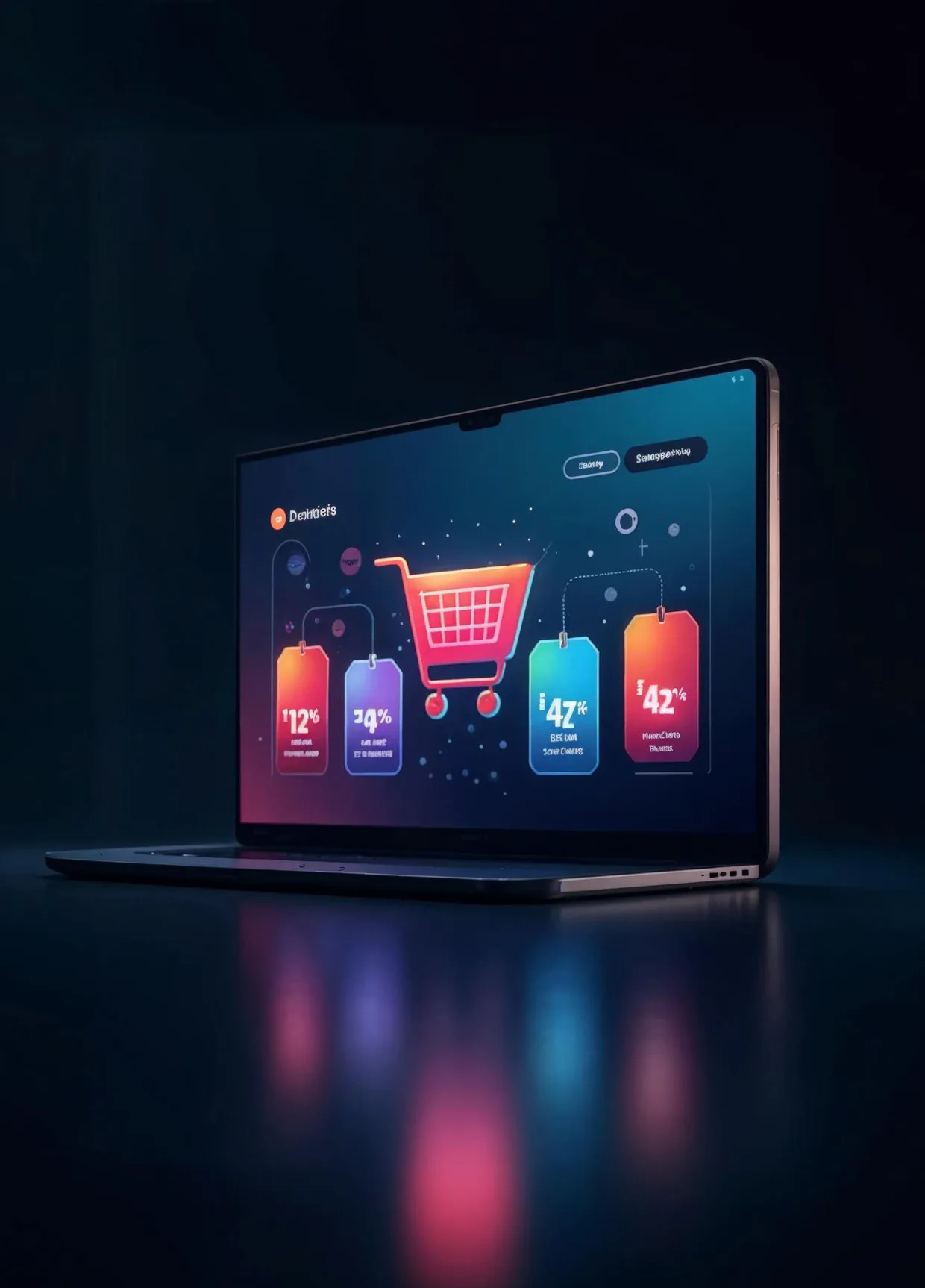







Swirling Luminous Amber Light Strands on Dark Backdrop Presenting Product Development Services | Phaedra Solutions | Phaedra Solutions

Product Development Services

Get Your Digital Product To Market Faster And Keep It Moving After Launch

Our product development services bring discovery, design, engineering, testing, and launch together to turn business requirements into a working digital product. Build a new platform or take an existing product into its next phase with one team responsible for delivery. AI-assisted engineering helps reduce repetitive work, while senior specialists own product decisions, architecture, quality, and release readiness. After launch, we can continue your roadmap through agreed improvements and support.

See Our Work
Clutch Guaranteed | 14-Day
Money-Back Guarantee
Clutch Guaranteed | Terms & Conditions
Rated 5 out of 5
Clutch Guaranteed | 14-Day Money-Back Guarantee
Clutch Guaranteed | Terms & Conditions
Clients
0 +
Project Delivery Success
0 %
Clutch
0 /5
Global Offices
0

Expert Product Development Support

Unsure What Your Product Needs Next? Define The Scope With Our Senior Team

Product Development Challenges We Solve

Resolve The Gaps That Delay Launches And Slow Your Roadmap

1. Conflicting Requirements

Your roadmap promises one thing, the designs show another, and engineering estimates keep changing. Requirements lose detail between teams, leaving you to resolve competing interpretations while delivery dates move.

We connect product, design, engineering, and QA through shared priorities and acceptance criteria. Your team gets a delivery plan that makes decisions, dependencies, and responsibilities clear before they become expensive rework.

2. Architecture That Limits Features

The first release works, but each new capability takes longer to add. Tightly connected features, limited data structures, and fragile integrations make it difficult to support new customers, markets, or workflows.

We assess the architecture against your next product phase. You see what can stay, what needs changing, and how to sequence improvements around current users and planned releases.

3. A Demo That Cannot Launch

The prototype demonstrates the idea, but real usage exposes missing permissions, unreliable integrations, and untested workflows. Your team needs to understand how much work remains before customers can depend on the product.

We review the implementation and identify the production gaps. The resulting plan covers security, testing, infrastructure, and operational needs while preserving useful work from the prototype.

4. Recurring Defects And Delayed Releases

Features reach QA late, fixes create new problems, and earlier shortcuts make small changes difficult. The backlog grows while your team spends more time repairing releases than advancing the roadmap.

We bring QA into requirements and development, add checks around critical journeys, and prioritize technical debt alongside features. Each release has defined acceptance criteria and visible unresolved risks.

Business Impact: What Connected Product Delivery Supports

Current Situation
Conflicting requirements
Disconnected suppliers
Architecture blocks features
Prototype cannot launch
Defects delay progress
Delivery Response
Shared scope and priorities
Coordinated product team
Targeted structural improvements
Production readiness plan
Continuous QA/regression checks
Business Impact
Few repeated decisions
Fewer delivery handoffs
Easy product expansion
Clearer path to release
Less rework

We agree on relevant measures early, so you can review delivery progress, release quality, and product performance against a defined starting point.

Start with the product problem holding your next release back.
Digital Product Development Services

Everything Your Product Needs, From Discovery To Ongoing Development

Our digital product development services cover the planning and delivery work needed to put a product into customers’ hands. We shape the scope around your users, commercial priorities, and existing systems. For SaaS platforms, marketplaces, and enterprise products, each discipline works toward the same release goals, with clear responsibilities across the product lifecycle.

Choose Where Your Product Needs Support

Product Discovery/Definition

We examine the users, business requirements, existing systems, and assumptions behind your product. Technical discovery identifies feasibility questions and dependencies, giving your team a documented scope and a clear view of what needs further investigation before development.

Common Use Cases:

  • Business and user requirement analysis
  • Technical feasibility and dependency assessment
  • Existing product or prototype review
  • Scope definition and acceptance criteria

Product Engineering & Deliverables

Get A Working Product And The Assets To Operate And Improve It

Product decisions need to carry through into design, code, testing, and deployment. We document those connections and review them as delivery progresses. Your team receives the agreed product assets and operating documentation, so you can understand what has been built, manage it after launch, and make informed decisions about its next phase.

How The Product Comes Together

Product Layer

Primary Focus

Product & Design

Priorities, workflows, and interface behavior

Application & Data

Features, integrations, and business rules

Cloud & DevOps

Deployment, monitoring, and capacity

QA & Release

Validation, risk review, and launch readiness

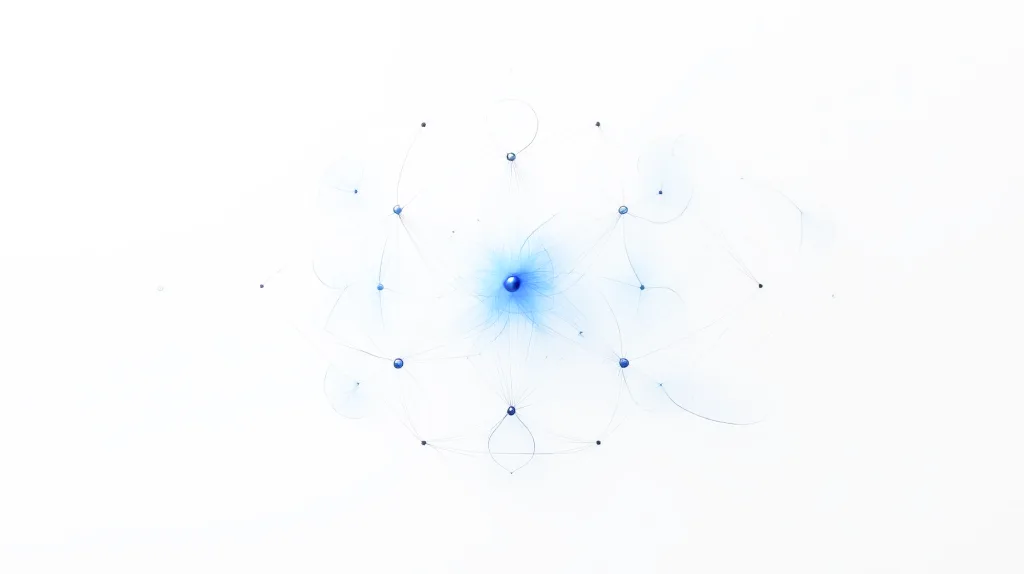
Central glowing blue node with interconnected network lines modeling product deliverables

What Your Team Receives

Depending on your engagement, deliverables can include:

Your agreement defines IP ownership, repository and design-file access, third-party accounts, licenses, and support coverage. Handoff covers the agreed assets, access, and knowledge needed to operate and develop the product.

Product Development for Your Next Stage

Build Your First Product Or Deliver Its Next Major Release

Develop A New Digital Product

Define the scope, design the experience,
and build for launch.

Advance An Existing Product

Add capabilities, address technical limits, and deliver your next phase.

Product Development Across Industries

Build A Product That Fits Your Industry’s Workflows And Users

Your industry requirements shape discovery and delivery. We discuss privacy, data residency, sensitive information, and applicable controls early, then reflect the agreed requirements in product design, engineering, and testing.

Product Development Process

Know What Happens At Every Stage Of Your Product Build

Our process connects product decisions with reviewable delivery milestones. You can see what has been agreed, inspect working increments, and understand the dependencies and checks that remain before your product reaches users.

Discover Product Requirements

We review your business goals, users, existing systems, and current product stage. Discovery produces a shared problem definition, initial requirements, and a record of assumptions and technical questions that need investigation.

Prioritize Scope And Roadmap

We rank requirements against value, effort, and dependencies, then agree on a phased roadmap. The output defines the first delivery scope, acceptance criteria, and decisions needed to move into design and engineering.

Design Experience And Architecture

Designers and engineers develop user flows, prototypes, data structures, and integration plans together. Your team reviews how the product will work and the technical decisions supporting its security, operation, and expected usage.

Build And Integrate Features

We develop features and integrations in increments you can inspect. AI assists approved engineering tasks, while developers review changes and QA checks behavior against requirements, keeping feedback connected to the agreed release scope.

Test For Launch

We validate core journeys, integrations, performance, and security requirements in the agreed test environments. Deployment checks and unresolved findings inform the release decision, with responsibilities and recovery arrangements confirmed before launch.

Launch And Improve

We deploy the approved release, monitor its behavior, and complete the agreed handoff. Usage data, customer feedback, and technical findings inform subsequent priorities, with continued development and support governed by your engagement scope.

Tools Selected For Your Product’s Requirements

Senior specialists choose tools around the product’s workflows, integrations, operating needs, and maintenance plans. The technology supports delivery decisions already made with your team, with clear reasons for each significant architecture or platform choice.

  • Product design and prototypes: Figma
  • Application interfaces: React • Next.js • React Native
  • Backend engineering: Node.js • Python • Ruby on Rails
  • Cloud infrastructure: AWS • Azure
  • AI-assisted engineering: Claude • Cursor

AI assists approved analysis, coding, debugging, testing, and documentation. Engineers review generated output, follow project data controls, and retain responsibility for technical decisions and production code.

Why Choose Phaedra Solutions for Product Development?

Work With A Product Partner That Connects Planning With Execution

Phaedra Solutions is an AI-first digital engineering partner founded in 2013. Our product, design, engineering, QA, and DevOps specialists coordinate the work required to develop and operate digital products, giving your team a connected delivery approach from initial scope through subsequent releases.

Named Technical Leadership

A senior technical lead owns architecture and engineering decisions. You know who can explain trade-offs, resolve technical dependencies, and assess whether the product is ready for its next milestone.

Priorities Before Implementation

We connect proposed features to user needs, business goals, and delivery constraints. Your team can review the scope and its rationale before committing substantial engineering time to the build.

One Coordinated Product Team

Design, engineering, QA, and cloud specialists work from shared requirements and release priorities. Questions move between the people responsible for resolving them, reducing the coordination burden on your internal team.

Security Throughout Delivery

Access controls, environment separation, encryption, logging, and code review form part of implementation. Privacy and industry requirements inform the agreed scope, with testing used to assess the resulting controls.

AI Under Senior Review

AI tools support repetitive engineering work, with senior specialists reviewing the results. When AI features belong in your product, we also address data access, output evaluation, monitoring, and user control.

Support For The Next Phase

We account for handoff, operating needs, and future releases before launch. Continued product engineering can cover maintenance, new capabilities, and architecture improvements under clear responsibilities and an agreed roadmap.

Media Mentions

Talk to a Product Development Expert

Work Through Your Next Product Decision With A Senior Technical Lead

Mujtaba Sheikh

Mujtaba Ahmed Sheikh, CTO & Operations Lead at Phaedra Solutions, helps connect product requirements with architecture decisions, engineering priorities, and the work needed to prepare a product for production.

Discuss what needs defining before development, whether your architecture supports the roadmap, and how to approach new capabilities or modernization. The focus is on decisions that affect delivery, maintainability, and your next release.

Bring your product concept or existing platform, the users it serves, and your main constraints. You can work through the technical unknowns, dependencies, and delivery options that should shape the next phase.

Discuss Your Product

Resources & Knowledge Center

Guides To Product Scope, Development Costs, And Launch Planning

Engagement Models

Start With Discovery, A Complete Build, Or Your Product’s Next Phase

Start by defining the product, commissioning a complete build, or bringing us into an existing roadmap. Each engagement establishes deliverables, responsibilities, review points, and acceptance criteria, with proposed changes assessed against the agreed priorities and scope.

  • Typically included: Agreed discovery, design or engineering, QA, project coordination, technical documentation, and release or handoff support appropriate to your engagement.

  • Typically scoped separately: Cloud fees, paid APIs, model usage, third-party licenses, specialist audits, ongoing support, and features outside the agreed delivery scope.

Product Discovery & Planning

For teams that need to resolve requirements, feasibility, or architecture before committing to development. We investigate dependencies and shape a prioritized scope with a practical delivery plan. Built around: Documented decisions, visible risks, and a roadmap your stakeholders can review before approving the next investment.

Typical engagement sequence:

Phase 1: Define Goals + Review Requirements
Phase 2: Assess Feasibility + Explore Architecture
Phase 3: Prioritize Features + Plan Delivery

End-To-End Product Development

For organizations seeking one partner to coordinate product definition, design, engineering, QA, and launch. We deliver the agreed scope across the disciplines and systems your product requires. Built around: Shared release goals, clear technical ownership, and acceptance criteria covering the complete product experience.

Typical engagement sequence:

Phase 1: Define Scope + Design the Product
Phase 2: Build Features + Connect Systems
Phase 3: Validate Readiness + Launch

Product Expansion & Modernization

For live products that need major new capabilities, stronger architecture, or replacement of outdated components. We assess the current implementation and sequence changes around existing users and dependencies. Built around: Preserving useful work, managing migration risks, and preparing the product for its next phase.

Typical engagement sequence:

Phase 1: Assess Product + Identify Dependencies
Phase 2: Extend Capabilities + Upgrade Components
Phase 3: Validate Changes + Manage Rollout

Ongoing Product Engineering

For products that need continued development and maintenance against an evolving roadmap. We work through agreed priorities, investigate supported production issues, and prepare subsequent releases. Built around: Product knowledge retained across releases, visible progress, defined support coverage, and regular reviews of what should happen next.

Typical engagement sequence:

Phase 1: Review Roadmap + Agree Responsibilities
Phase 2: Develop Features + Maintain the Product
Phase 3: Release Improvements + Review Priorities

Product Development or Specialist Support

Do You Need Full Product Delivery Or Help With A Specific Part?

Product development fits when you need coordinated responsibility across product definition, design, engineering, launch, and continued improvement. If your team already owns the wider lifecycle, a focused service may cover the specific work you need.

A Focused Service May Fit Better If:

  • You need a defined business system engineered: Software Development
  • Your immediate priority is testing demand through a first release: MVP Development
  • You need browser application engineering within an established product plan: Web App Development
  • You need iOS or Android delivery within an established product plan: Mobile App Development
  • You need a marketing, corporate, or content website: Website Development
  • Your scope ends at workflows, interfaces, and prototypes: Product Design
  • You need individual specialists working under your delivery leadership: Staff Augmentation
Hand interacting with digital analytics display on warm lit desk presenting specialist support

A product can include web, mobile, and other interfaces within one engagement. We help you choose the scope based on the responsibilities you need us to take on.

FAQs

Product development services coordinate the work needed to define, design, engineer, test, launch, and improve a product. Phaedra Solutions focuses on digital and software products, including platforms, marketplaces, and enterprise products. An engagement can start with an opportunity, documented requirements, a prototype, or an existing product, with deliverables and responsibilities agreed around that starting point.

Software development focuses on designing, building, testing, and maintaining software. Product development coordinates those activities with broader decisions about users, priorities, product experience, launch, and continued evolution. The services overlap; the distinction is the scope of responsibility. Our product development engagements connect product decisions with the engineering and operational work needed to deliver them.

Yes. We begin with a review of the codebase, architecture, integrations, documentation, and deployment process, alongside knowledge transfer from your current team where available. We then agree on a plan for stabilization, roadmap delivery, or modernization. The transition accounts for existing users, data, access ownership, and responsibilities for operating the product during the handover.

No. You can begin with discovery, a prototype, an MVP, or a later phase of an established product. The right starting point depends on what has already been validated, your technical requirements, and the risks still unresolved. If an MVP is appropriate, we scope it as one stage within the wider product roadmap.

Cost and timing depend on product maturity, scope, integrations, data, security requirements, and release complexity. We review these factors before proposing a phased scope, estimate, and schedule. External dependencies and third-party costs are identified separately. For existing products, the condition of the codebase and the work needed to maintain current operations also affect the plan.

Related Development Services

Explore Development Services For Your Product’s Next Step

Some projects need a focused engineering engagement alongside the wider product roadmap. These development services cover specific applications, components, and infrastructure where your requirements call for a separate scope.

Plan Your Product Development Project

Let’s Work Out What Your Product Needs To Reach Its Next Milestone

Why Discuss Your Product?

  • Clarify your users, goals, and product requirements
  • Identify the right starting point for delivery
  • Review architecture, data, and integration dependencies
  • Understand the work needed before production
  • Discuss scope, priorities, and budget considerations
  • Plan responsibilities for launch and continued development

What Happens Next?

  • Share your concept, requirements, or existing product
  • Meet with a senior team member
  • Review your users and business priorities
  • Discuss dependencies, constraints, and target dates
  • Receive a proposed scope and delivery approach
  • Agree on priorities and the next step
See Our Work

Tell us what you’re building — and we’ll take it from there.

Let’s Talk About Your Project

Fill out the form to schedule a free 30-minute discovery call where we understand your idea, offer early advice, and suggest the best next steps.

Great! We’ve received your information.

Great! We’ve received your information.

What are you looking to achieve?*

When are you planning to start?*

What best describes your involvement in this project?*

Select Your Budget*

Select a Service or Technology*